
Custom Blinds in Natick, MA
Elevate your space with our premium selection of Hunter Douglas blinds, shades, and shutters. From natural wood textures to modern motorized solutions, find the perfect balance of light, privacy, and style.
We offer in‑home consultations that provide a streamlined, design‑driven approach to window treatments. Review product samples, compare cohesive color stories, and collaborate with a dedicated expert to craft a look that enhances your home. Call our design center to reserve your consultation.
Call (508) 978-2038Book a Free Consultation
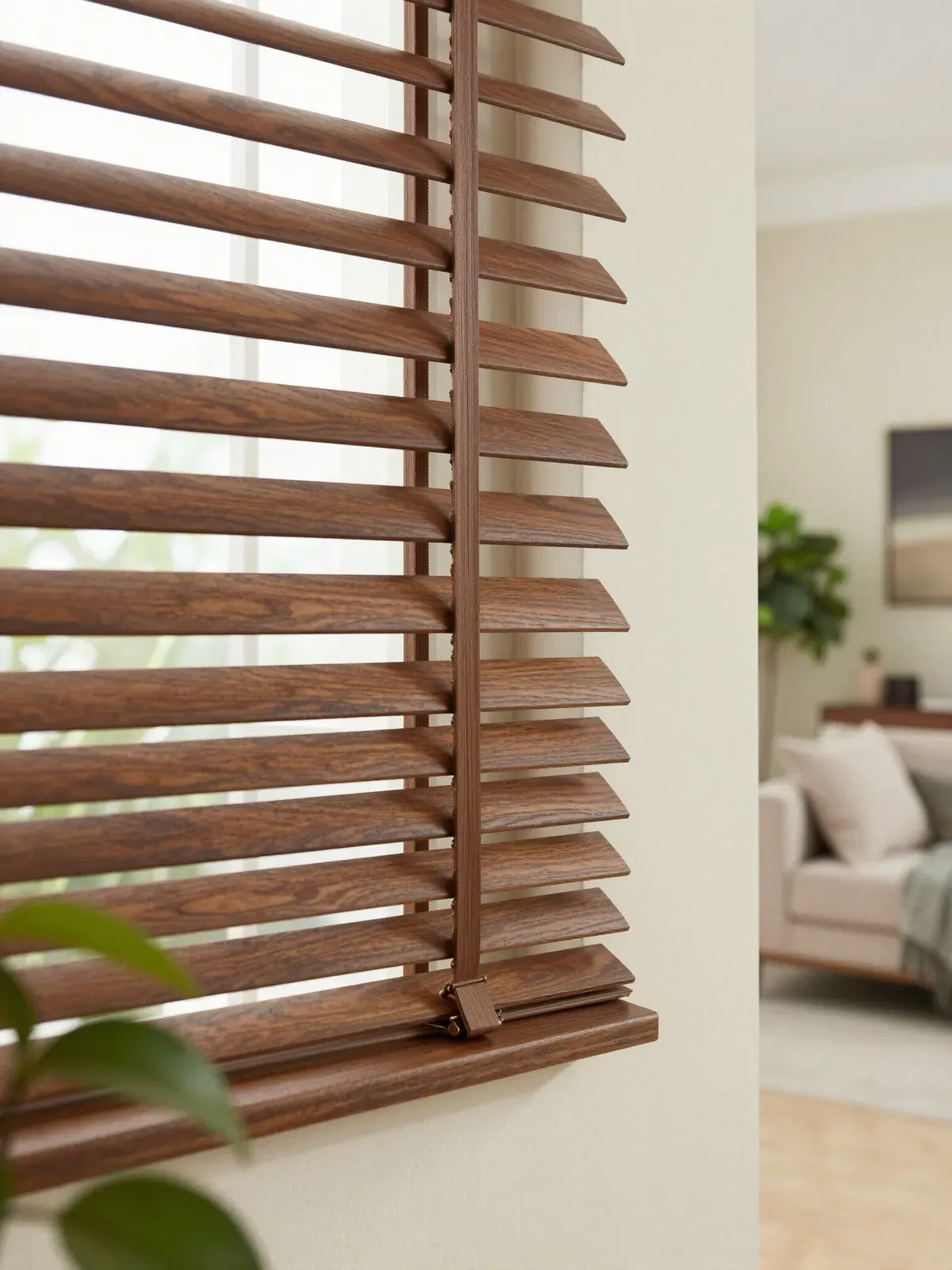
Natural Wood Blinds
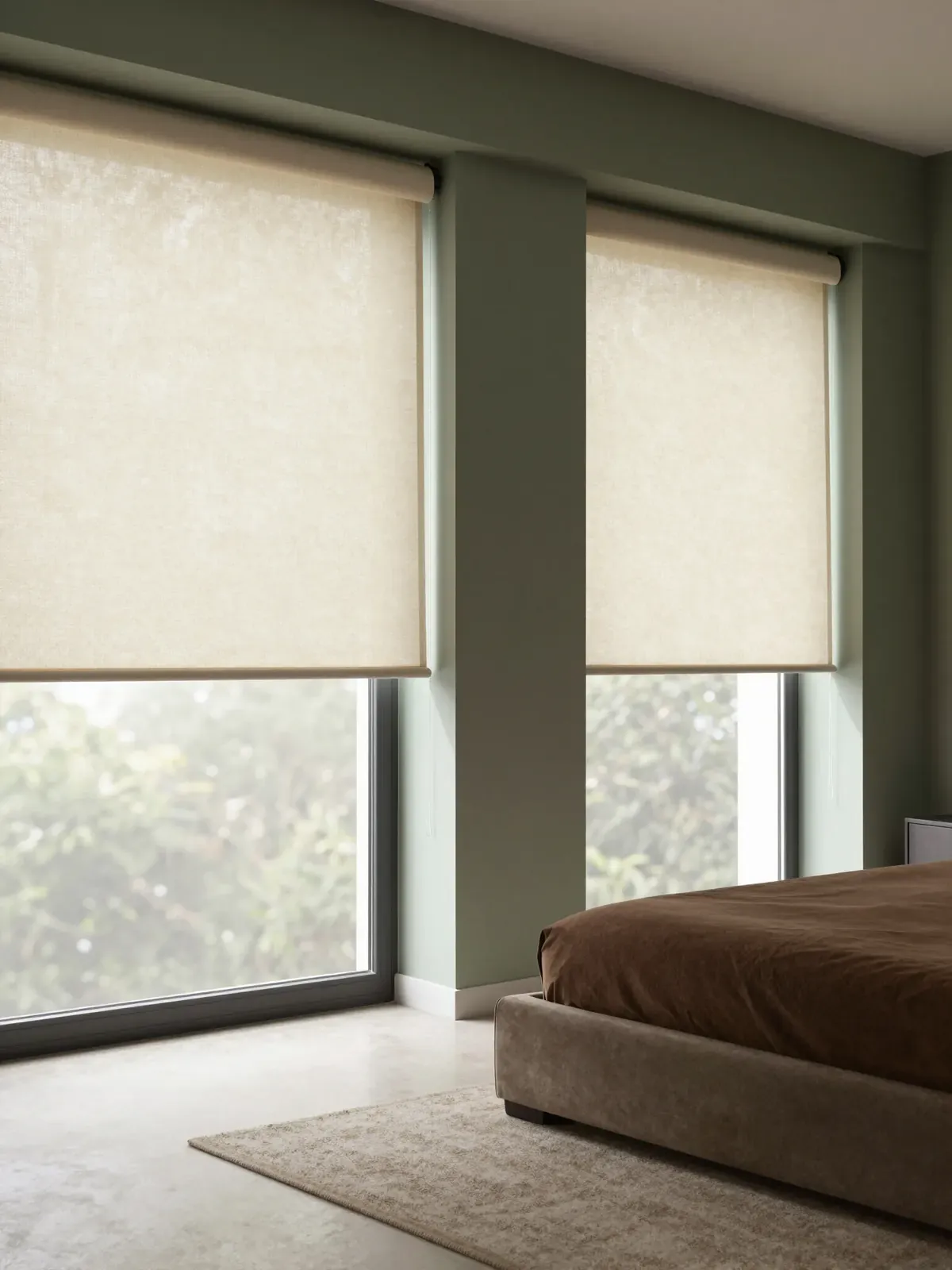
Premium Fabric Shades
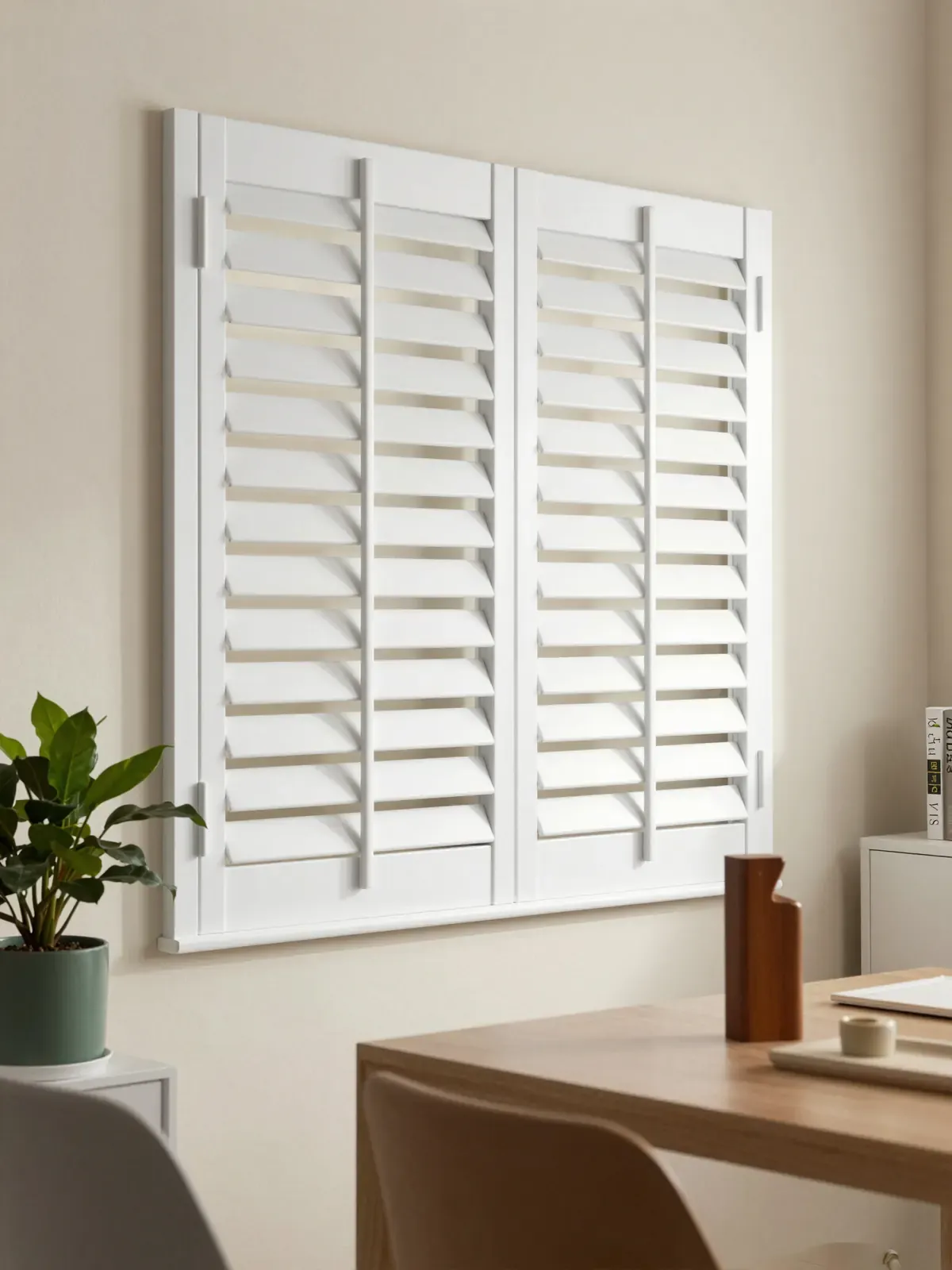
Custom Shutters
Custom blinds in Natick, MA, made for the windows you have
Welcome in. We help you choose, measure and fit custom blinds in Natick, MA, from our design center in Natick Center, and we would be glad to help with yours. Custom means each blind is made to the size of your own window, not cut down from a stock size, so it sits properly in the frame, lines up with its neighbours and does the job you need in that room.
You can start in the showroom with the samples in your hands, or at home with a free in-home consultation. Either way, the same steps follow: we talk through the room, we measure every window ourselves, and we install what we measured.
What we carry, and the brand behind it
Hunter Douglas is the window treatment brand we carry. Choosing within one maker keeps things simple: the samples you see in the showroom are the products that go on your windows, and the controls, colors and fabrics work together across a whole house. If you would like the background on the maker before you visit, our Hunter Douglas guide goes through the main product types.
Wood blinds
Real wood slats with a ladder you can tilt to steer light and privacy. A natural match for older trim and painted casings, and a classic choice for living rooms, dining rooms and studies.
Cellular shades
Fabric shades built in a honeycomb pattern that traps a layer of air at the glass. A good fit for bedrooms and for rooms that feel the cold through older windows.
Roller shades
A single panel of fabric on a roller, from sheer screening to room darkening. Clean and quiet when raised, and easy to fit across wide windows and sliders.
Shutters
Panels with louvers, made to the shape of the opening and hinged to the frame. They suit tall sashes and bays, and they stay put on windows you rarely want to move.
Motorized options
Many of the treatments we carry can be motorized, with no cords to reach for. Worth considering on high windows, behind furniture, and across a run of matching windows you want to move together.
Not every window needs the same thing. It is common to choose wood blinds for the front rooms, cellular shades for the bedrooms and a roller shade for the kitchen, and still have the house look like one decision from the street.
Choosing blinds room by room
The most useful question at the start is not which product you like the look of, but what each room needs from its windows.
- Bedrooms. Most people want the room dark at night and early in the morning. Room-darkening fabrics and a good fit at the sides of the window matter more here than anywhere else.
- Living rooms. These usually need a range: soft light during the day, privacy in the evening, and a look that sits well with the furniture. Tiltable slats or a light-filtering fabric give you that range.
- Kitchens. Steam and cooking ask for materials that wipe clean and do not warp. A roller shade or a moisture-tolerant blind is the practical choice over the sink.
- Bathrooms. Privacy comes first, with light still coming in. Real wood is not a happy material over a steamy shower, so we will steer you toward something that copes with damp.
- Home offices. Glare on a screen is the problem to solve. Light-filtering and screening fabrics cut glare without shutting out the day.
- Children’s rooms. Cordless or motorized designs remove hanging cords from the room entirely, and we will raise that in every room children use.
If you are unsure, bring photos of the rooms to the showroom. A picture of the window, the wall around it and the furniture nearby tells us more than a description.
Natick windows, and what they ask for
Natick’s housing gives every window treatment a different brief, often within a few streets of the showroom.
Victorians and two-families close to the common
Around the common in Natick Center, the Victorians and two-families have tall sash windows, deep casings and generous trim that is worth showing off. An inside-mounted blind or shutter keeps that trim visible, but only if the window is measured carefully, because old frames are rarely perfectly square. Bay windows are common too, and each pane of a bay needs its own blind sized to sit neatly against the next. In a two-family, the same window size often repeats on both floors, which makes it easy to keep a consistent look on the outside while each unit chooses what it wants inside.
Post-war capes and ranches toward Lake Cochituate
Spreading out toward Lake Cochituate, the post-war capes and ranches bring a different set of windows. Capes have dormer windows with little room around them, and sometimes sloped ceilings that limit what can be mounted above the glass. A shallow headrail or a shade that stacks up small is the usual answer there. Ranches tend to have wide picture windows and sliding doors, where a single large shade or a pair of matched shades can cover the opening without a cluttered row of small blinds. Big panes also mean more sun, so it is worth thinking about how much light, heat and fading you want to stop.
Across all of it, the window in front of you is the one that matters. That is the reason we measure every one ourselves.
Light, privacy and fading
Every blind and shade is a balance between three things: how much light you let in, how much of the room can be seen from outside, and how much sun reaches your floors and furniture.
- Sheer and screening fabrics soften daylight and keep a view out, while giving some privacy in daytime. At night, with lights on inside, they show more than people expect.
- Light-filtering fabrics glow when the sun is on them and hide the room behind them, day and night. They suit living rooms and bedrooms where you want privacy without darkness.
- Room-darkening fabrics block most of the light. They are the choice for bedrooms, nurseries and media rooms.
- Slatted blinds and shutters let you adjust the balance through the day, tilting open for light and closed for privacy.
Strong sun fades rugs, wood floors and furniture fabrics over time. If a room gets a lot of direct light, a treatment that stays partly closed through the brightest hours protects what is in the room as well as the people in it.
Colors and finishes
The color of a blind is seen from two sides. From inside, it sits against your walls and trim. From the street, it is part of the house’s face, and a run of windows in mismatched colors is noticeable.
In older Natick houses with painted trim, a blind that matches the trim color makes the window look clean and built-in. Stained wood blinds pick up wood floors and furniture instead. For the outside view, many people keep the street-facing side of every blind the same neutral color and let the rooms differ inside.
Samples look different under showroom lights, in daylight and at dusk. That is a good reason to see them during an in-home consultation, against your own walls and floors.
What to have ready for a consultation
You do not need to prepare anything, but a few things help us make good use of the visit:
- A list of the rooms you are thinking about, even if you only want to start with one or two.
- What bothers you now. Too much glare, a cold room, a street-facing bedroom, cords that are hard to reach.
- Photos or pages you like. Pictures of rooms or windows you admire help us understand the look you are after.
- Anything that limits the window. Window cranks, alarm sensors, radiators below the sill, or furniture that will sit in front of the glass.
- Plans for the room. If you are painting, papering or changing the floor, tell us, so the blinds are chosen for the room as it will be.
Inside mount or outside mount
One of the first decisions at each window is where the blind sits.
An inside mount fits within the window opening. It shows off the trim and looks tidy and built-in, but it needs enough depth in the frame for the headrail and enough clearance for handles and locks. In older houses, the frame may also be out of square by a little, and an inside mount has to allow for that.
An outside mount sits on the trim or the wall above the window. It can cover more of the glass, block more light at the edges, and make a short window look taller. It is often the answer where the frame is too shallow, or where you want a room as dark as possible.
There is no right answer for every window. We will look at the depth, the trim and the way the room is used, and suggest the one that fits.
How the process runs, from showroom to installation
- Look and compare. Come into the showroom in Natick Center to handle samples and see how fabrics and finishes look in daylight, or book a free in-home consultation and we bring the samples to you, so you can hold them up to your own windows.
- Talk it through. We go room by room: light, privacy, cords or no cords, how the room is used, and how each window will look from inside and out.
- Measure. We measure every window ourselves. Doing it ourselves means the order is made for the window you actually have, including the ones that are slightly out of square. Our measuring and installation page explains what we check and why.
- Order. Once you have chosen, we order each blind to the measurements we took.
- Install. Our team installs what we measured, checks every blind for level and smooth operation, and shows you how the controls work.
If you are replacing blinds that came with the house, tell us what you dislike about the ones you have. Slats that never sit level, cords that tangle, a color that fights the walls or a bedroom that never gets dark are all useful starting points, because they tell us what the new blinds must do better.
There is no need to have every room decided before you start. Many people begin with the rooms that matter most and come back for the rest.
Come in, no appointment needed
Being in Natick means you can simply walk in. The showroom is in Natick Center, and you are welcome to stop by when you are passing, look at samples, ask questions and leave with a clearer idea of what you want. Bring a photo of the window and a rough idea of its size if you have one. You do not need to book first, although booking a free in-home consultation is the easiest way to see samples against your own walls and floors.
Cordless and motorized blinds
Hanging cords are a real hazard for small children and pets. Cordless designs, which you raise and lower by hand from the bottom rail, remove that hazard and also look cleaner at the window. Motorized blinds and shades take it further: the treatment moves from a remote, a wall switch or a schedule, so you never touch it at all.
Motorization makes the most sense on windows that are hard to reach, such as a tall stair window or a window behind a sofa, and on a row of matching windows you would like to move together. It is also a practical choice for anyone who finds cords awkward to use. We will talk you through what each option involves before you decide.
Where custom blinds fit with the other lines
Blinds are one part of a room. Because we also carry fabrics, wallpaper, Benjamin Moore paint and flooring, you can plan the window together with everything around it, in the same light and with the same people.
- Drapery over blinds. A blind handles light and privacy; custom drapery on top adds softness, color and a finished frame to the window. The two are often chosen together.
- The whole category. If you are still deciding between blinds, shades, shutters and drapery, our window treatments page sets out the full range.
- Paint and wallpaper. The color of a blind looks different against every wall. Choosing it beside Benjamin Moore paint chips or wallpaper samples avoids surprises. Our page on coordinating paint, wallpaper and window treatments goes into how to put them together.
- Floors. A new floor changes how much light a room reflects. If flooring is part of the plan, it is worth choosing it alongside the blinds.
- Repairs. If an existing blind has stopped working, our blind and shade repair page explains how we look at it and whether it is worth fixing.
Custom blinds beyond Natick
Natick is home, and we also measure and install custom blinds across the towns around it. There are dedicated pages for custom blinds in Wellesley and custom blinds in Newton, and our service areas page lists every town we visit for in-home consultations.
Questions about custom blinds
What makes a blind custom?
Each blind is made to the measurements of your own window rather than cut down from a stock size. That gives you a proper fit in the frame, the right control on the right side, and a fabric or finish chosen for that room.
Which brand of blinds do you carry?
Hunter Douglas, for blinds, shades and shutters.
Do I need an appointment to visit the showroom?
No. You are welcome to walk in to look at samples and ask questions. If you would like us to see your windows, book a free in-home consultation through the contact page.
Is the in-home consultation free?
Yes. We bring samples to your home, talk through each room and measure the windows, at no charge.
Do you install the blinds as well?
Yes. Professional measurement and installation are part of the service, and we install what we measured.
Can blinds be motorized?
Many of the blinds and shades we carry can be motorized, controlled from a remote, a switch or a schedule. Ask us which options suit the windows you have in mind.
Visit the showroom or book a consultation
The easiest next step is to stop into the showroom in Natick Center and look at samples, or to get in touch through our contact page to book a free in-home consultation. The call button reaches us too. Tell us which rooms you are thinking about, and we will take it from there.