
Why Newton’s Victorians and colonials call for custom work
Choosing window treatments in Newton, MA usually means working with windows that were never built to a standard size. Newton is really a city of villages, Auburndale, Waban, Chestnut Hill, Newton Highlands, West Newton, Newtonville and Newton Centre among them, and the housing shifts as you cross from one to the next. What turns up again and again is the Victorian and the large colonial, and with them the two features that make windows hard to dress: bay windows and tall sashes.
Bays that change direction
A bay pushes out from the wall in angled or curved sections, each with its own sash. That is lovely from the inside and a real test for a window treatment. Every section needs its own blind or shade, and they have to meet at the corners without gaps that leak light or overlaps that clash when raised. A bay with a window seat adds another question: whether the treatment hangs inside each frame, or above the seat on the face of the wall.
Sashes taller than a stock size
Victorian rooms often have high ceilings, and the windows were drawn to match: tall, narrow double-hung sashes that run most of the way from floor to ceiling. Those proportions are a large part of what makes the rooms feel the way they do. A treatment made to a stock length either stops short or bunches up, and a heavy blind on a very tall window is hard work to raise every morning. Windows like these are why custom sizing matters here, not as an extra but as the only way to fit them.
A house and its neighbor, a village apart
Because the housing differs from one village to the next, two homes a short drive apart can need completely different answers. A late Victorian with deep, ornate casings asks for one approach. A large colonial with even rows of windows and simpler trim asks for another. We plan each house on its own terms rather than starting from a template.
What we bring to Newton windows

Shades fitted to every section of a bay
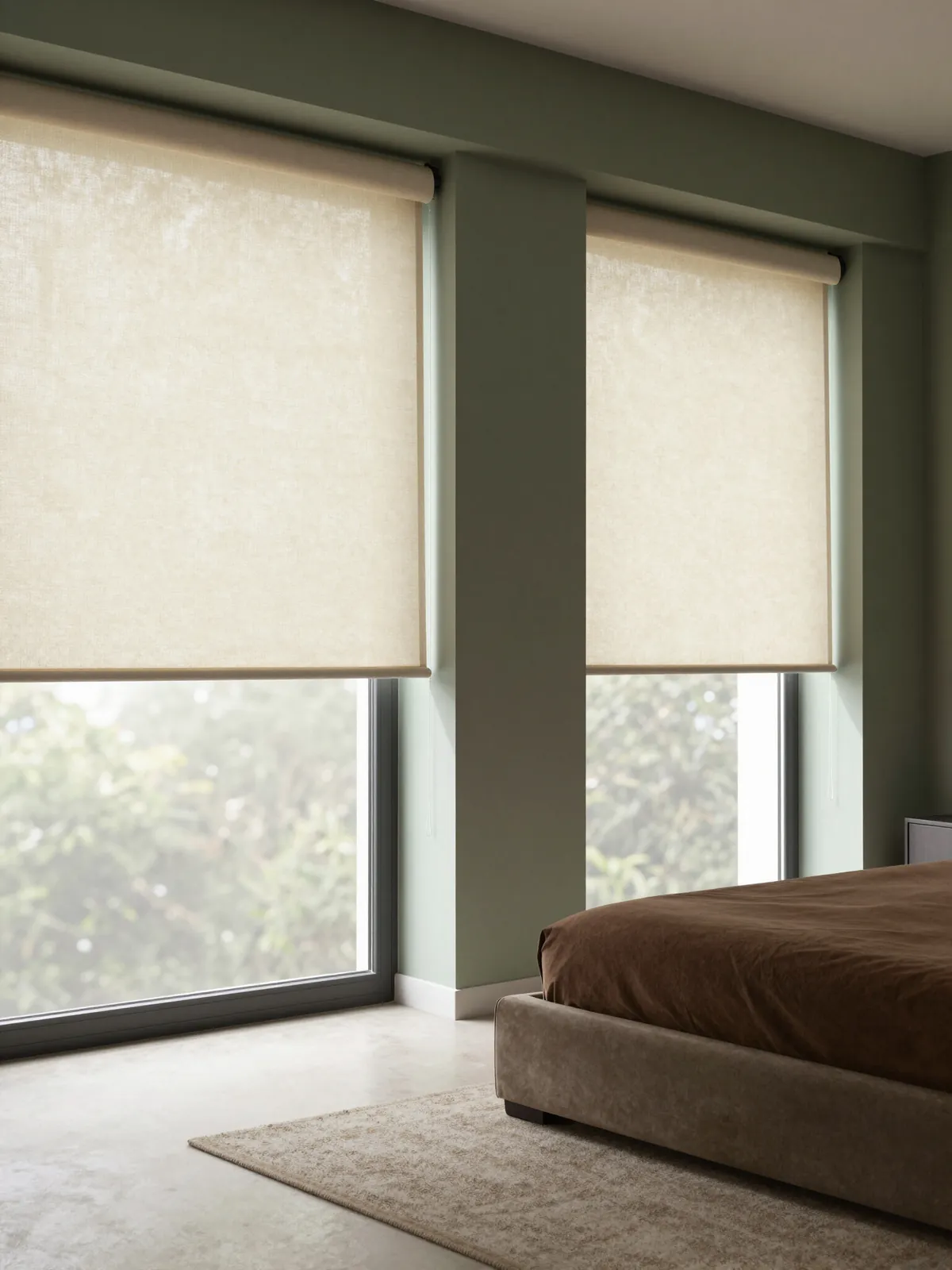
Cellular and roller shades are made section by section, so each part of a bay gets a shade sized to its own frame. Cellular shades also add a layer at older glass, which helps in a bay that juts out into the cold.
Wood blinds for studies and libraries
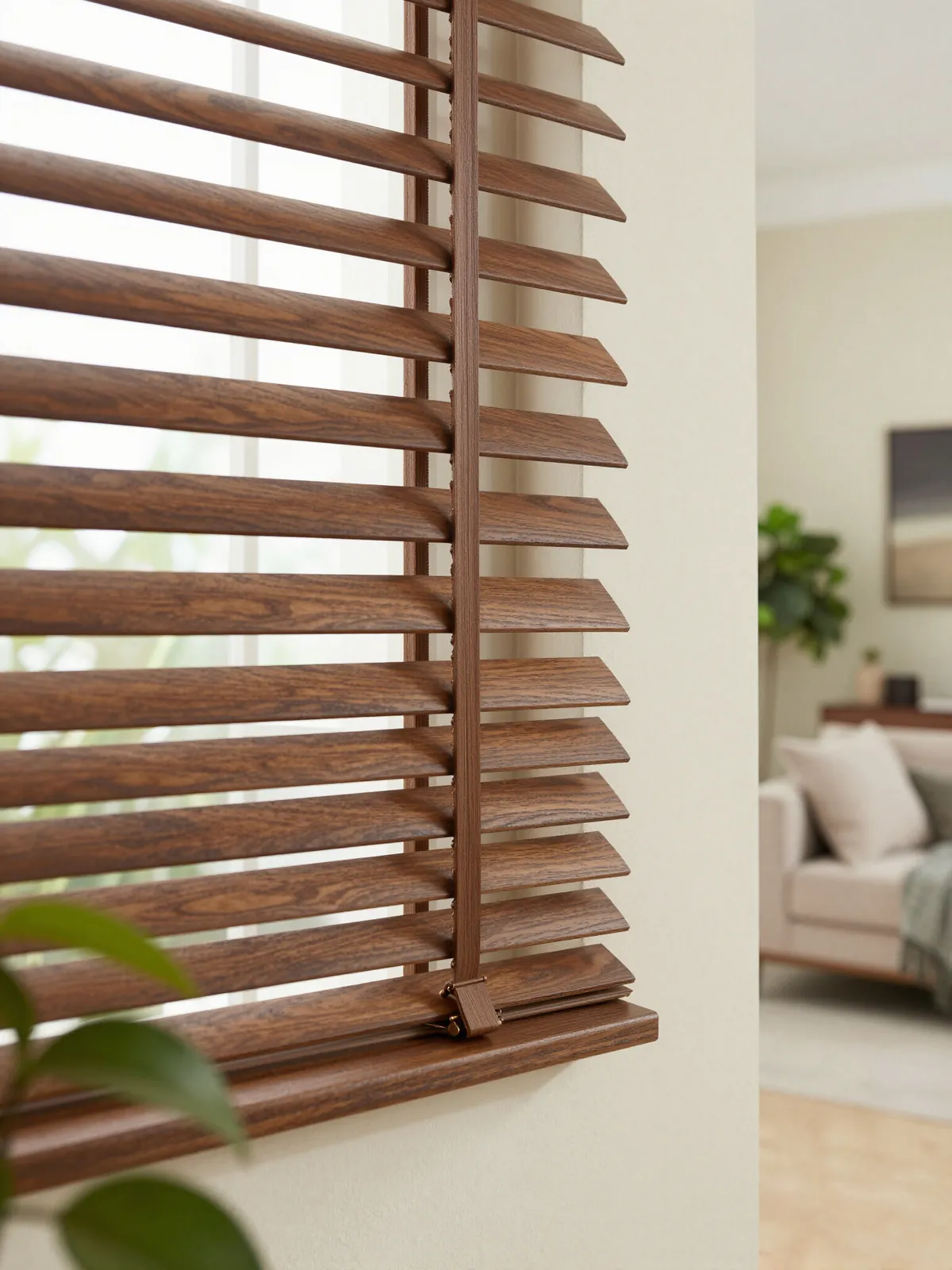
Natural wood blinds bring warmth that suits dark-stained trim and paneling. Tilting the slats sends light toward the high ceiling while keeping the room private from the street.
Shutters for tall sashes
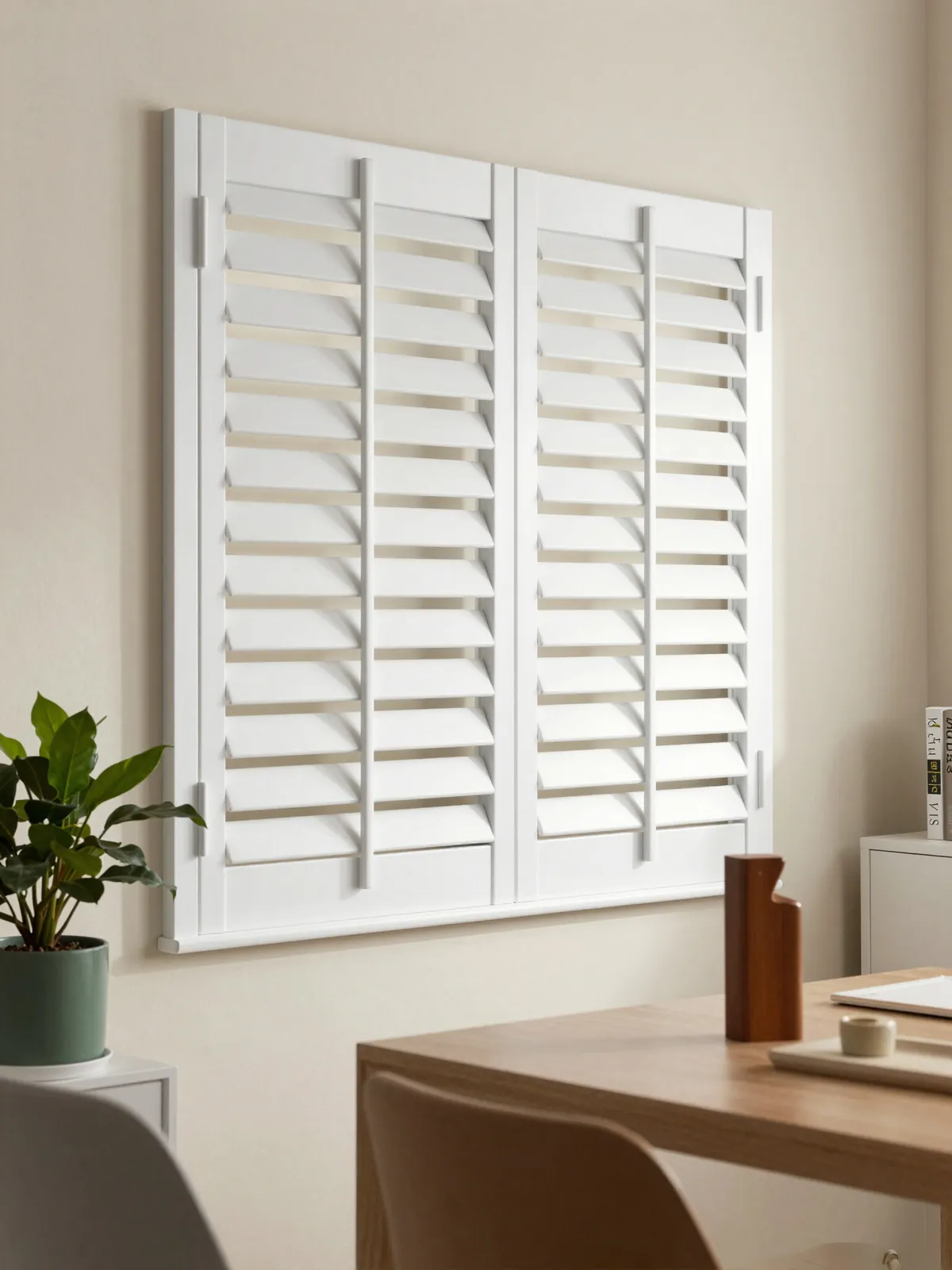
Shutters can be built with a divider rail on very tall windows, so the upper and lower louvers tilt separately. You can open the top for daylight and keep the bottom closed for privacy.
Drapery for high-ceilinged rooms
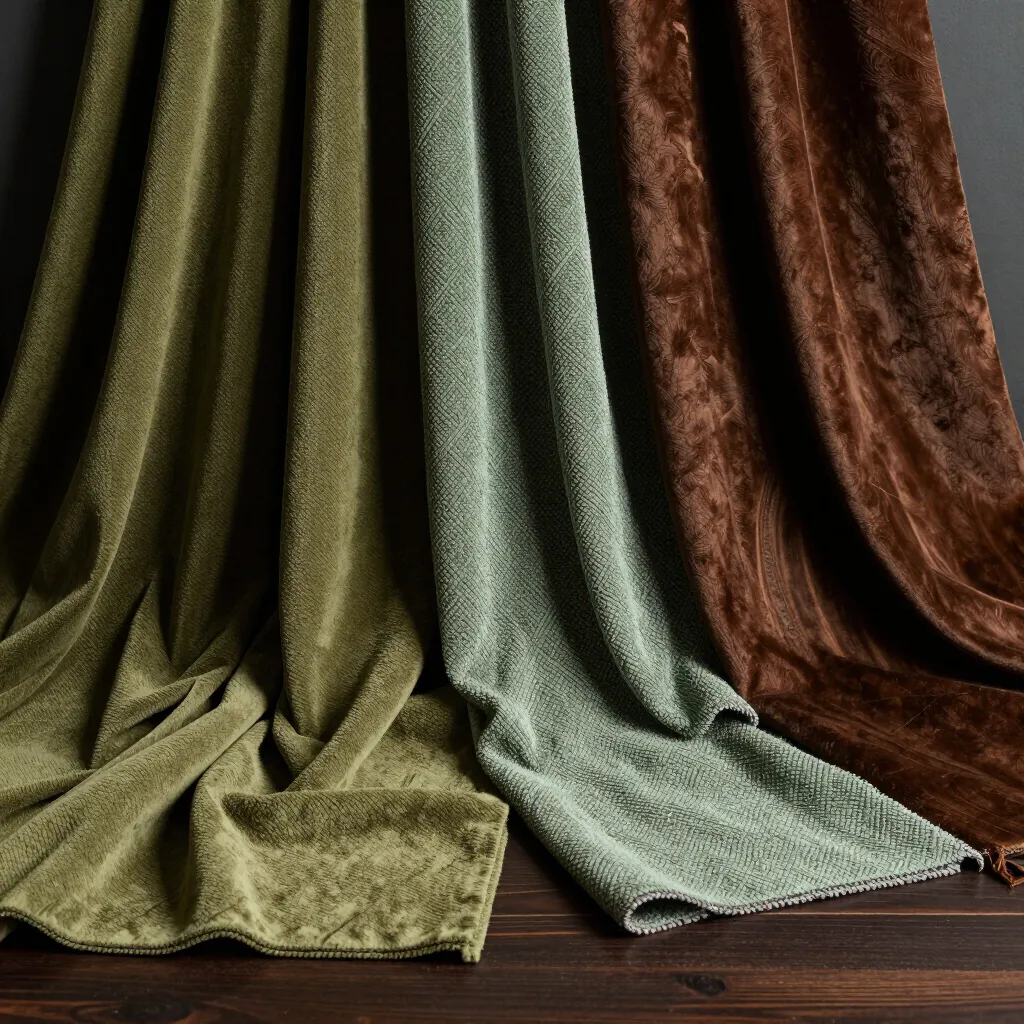
Drapery hung high and full makes the most of a tall room. Our fabric room carries designer lines including Schumacher, Thibaut, Morris & Co and Clarke & Clarke, which suit period rooms well.

Motorized shades for windows out of reach
On a tall landing window above a staircase, or a transom over a door, a motorized shade saves the stretch. It also lets the separate sections of a big bay move together.
Measuring Newton windows that were never standard
A custom treatment is only as good as the measurement behind it. In older Newton houses, measuring well means slowing down at the windows that look straightforward and taking extra care with the ones that clearly are not.
Measuring a bay, section by section
We treat a bay as a group of separate windows that have to work as one. Each section is measured on its own, and then we look at how they meet: the angle of each corner, the width of the post between sashes, and how much room there is for a headrail before it runs into the next one. On a curved bay the sections are often narrow and the posts slim, which limits how deep a treatment can be. We note all of it before anything is ordered, so the finished shades line up at the top and meet cleanly when they are lowered.
Height, weight and how a tall window opens
On a tall sash, height is where most of the risk sits. We measure the full drop, and then think about what it means to lift that much blind or shade every day. Lighter fabrics, a lift system that suits the size, or a motorized option each answer the problem differently, and we talk through which suits the room. We also check where the sash locks and lifts sit, because on a tall window they often fall right where a treatment’s bottom rail would rest.
Deep casings and the inside or outside question
Victorian casings can be wide, deep and richly molded. That trim is often worth showing off, which argues for mounting a treatment inside the frame. An older frame that has moved out of square argues the other way. We measure the opening at several points, check the depth of the pocket, and look at the condition of the trim, then recommend whichever mount suits that window. On a single house the answer can be different on the front parlor and the back bedroom, and that is fine as long as the street face stays consistent.
Transoms, sidelights and the small windows in between
Older Newton houses often have small windows that are easy to forget: a transom over the front door, sidelights beside it, a narrow window in a stair hall, a little pane in a pantry. Some of them need covering and some are better left bare. We look at each one with you and decide together, so nothing is ordered that you will not use and nothing is missed that you will.
Installation in a finished older house
We take care of the measuring and the installation. When the treatments are ready, we come back, fit them, level them against windows that may not be level themselves, and check that each one runs smoothly. We work around the plaster, the old trim and the furnishings with care, and we show you how everything operates before we leave. If you have trim painting or window work planned, it helps to finish that before we measure. Our measuring and installation page goes further into how the work is done.
Meeting in Natick or in your Newton home
There are two ways in, and they work well together. You can see the full range at the showroom first, or have us bring the samples to your house, where the light and the windows are real.
What the showroom lets you compare
At our showroom in downtown Natick, the different kinds of treatment hang side by side. You can feel the weight of a wood blind, see how a cellular shade filters light, and open and close a shutter. Benjamin Moore color cards, wallpaper books, fabric bolts and floor samples share that same floor, so a whole room’s materials can be gathered on one table. For directions and opening times, see the showroom page.
A free consultation in your own rooms
Victorian rooms with high ceilings and deep bays read very differently from anything you can picture in a store. A free in-home consultation lets you hold samples up to the actual windows, see them in your morning or evening light, and talk through the bays and tall sashes on the spot. We can look at a single room or the whole house, and help you decide where to begin. A fuller description of the visit is on our in-home design consultation page.
Layering drapery over shades
In a tall Victorian room, a shade on its own can look a little lost. A layer of drapery hung close to the ceiling draws the eye up, frames the window and softens the hard edges of the glass. The shade does the daily work of light and privacy, and the drapery adds warmth, color and a finished look. Because Debsan carries both the shades and the fabrics, we can choose them together, matching a drapery color to the shade or picking a pattern that picks up a thread from the wallpaper.
Where the rod goes matters as much as the fabric. In a room with a high ceiling and a deep crown molding, hanging the drapery just beneath the molding rather than just above the window makes the whole wall look taller. On a bay, a rod that follows the angles lets the panels draw around the whole opening. We measure for the drapery hardware at the same visit as the shades, so the two layers are planned to fit together.
Room notes for a Newton house
Front parlor with a bay. Usually the most visible room from the street, so its treatment sets the tone for the rest of the street face. Fitted shades in each section of the bay, with or without drapery across the whole opening, are the usual starting point.
Front hall and stair. Tall landing windows and sidelights by the door, often hard to reach and often seen from outside. A motorized shade on the landing and a simple fixed treatment on the sidelights, or nothing at all, are both reasonable choices.
Dining room. Often another bay, often with formal trim. Shutters give it structure, and drapery gives it softness. Light control matters more at dinner than at breakfast, so we check which way the room faces.
Bedrooms under the eaves. On the top floor of a Victorian or a large colonial, bedrooms can have dormers or windows set low in a sloped wall. Slim roller or cellular shades fit the shallow frames, and room-darkening fabrics make them restful.
Kitchens in a rebuilt rear wing. Many older houses have had their kitchens renovated at the back, with newer windows than the rest of the house. Moisture-tolerant treatments that are easy to wipe clean suit them, and the color can still tie back to the front rooms.
Enclosed porches and sunrooms. Colonials of this size often have a sunroom or a closed-in porch with windows on three sides. Cellular shades take the edge off summer heat and winter chill, and motorizing them lets the whole room open or close at once.
Choosing treatments for a house you have just moved into
Older Newton houses often change hands with treatments the previous owners chose, sometimes dated, sometimes damaged, sometimes missing from half the windows. It can be tempting to replace everything at once, but living in the rooms for a while first tells you a lot: which bedroom gets the early sun, which side window looks straight into the neighbor’s kitchen, which bay is drafty in January. We are happy to start with the rooms that matter most now, often bedrooms for sleep and the street-facing rooms for privacy, and plan the rest once you know the house. If some of the existing blinds or shades are worth saving, our blind repair in Newton page explains what can be fixed.
Planning a whole house in stages
A big Victorian or colonial rarely gets every window done at once, and it does not need to. We can draw up a plan for the whole house so every room shares a consistent face to the street, then measure and install a room or a floor at a time as suits you. When you come back for the next room, the plan is already there. If you are thinking about walls and floors too, our wallpaper in Newton and flooring in Newton pages show what else we can do for the same rooms, and our custom blinds in Newton page goes deeper into blinds and shades alone.
Old glass, leaded panes and stained glass
Many Victorians still have some of their original glass, and some have leaded or stained-glass panels in a stair hall, over a door or in the top of a parlor window. Those panels are usually meant to be seen, and covering them hides the very thing the house is proud of. We often suggest leaving decorative glass bare and fitting a treatment only to the clear sash below it, mounted so the colored panel still catches the light. Where a stained-glass window faces a bedroom and lets in early sun, a shade hung on the wall face above and around it is one answer, and we look at each case on site.
Plain old glass has its own needs. Single-glazed sashes, with or without storm windows outside them, lose heat in winter and gain it in summer. A cellular shade lowered at night traps a layer of air at the glass, which helps most in a bay that pushes out into the weather on three sides. During the day, a light-filtering fabric keeps a south-facing parlor bright while protecting rugs, wood floors and furniture from fading.
Privacy where houses sit close together
Near a village center, older houses often stand close to their neighbors, with side windows looking straight across a narrow yard. Those windows tend to need privacy all day, while the front windows facing the street may only need it after dark. Wood blinds and shutters handle the side windows well, since tilting them shuts out the view and still lets light reach the ceiling. On the front, a shade you can raise fully by day keeps the tall proportions on show. We stand in each room with you and look at what can be seen from outside before suggesting anything.
Colors against period trim and wallpaper
Victorian rooms often carry strong color: dark-stained woodwork, painted trim in a heritage shade, a patterned paper on the walls. A bright white shade can fight with all of that. We bring fabric and finish samples to hold against your real trim and walls, and we often suggest a treatment color pulled from the woodwork or the paper, so the window settles into the room instead of standing out. If you are papering or painting the same room, choosing the treatment at the same time saves a second round of decisions.
Questions we hear about Newton windows
Do you work in every Newton village?
Yes. We hold free in-home consultations, measure and install across Newton, from Auburndale and West Newton to Chestnut Hill and Waban. You are also welcome to visit our Natick showroom first.
How do you dress a Victorian bay window?
Each section of the bay gets its own fitted blind or shade, sized so they meet cleanly at the corners. Drapery can then hang across the whole bay for a softer, finished look.
My windows are very tall. Will a standard blind fit?
Usually not well. Tall Victorian sashes need treatments made to their own height, and we also look at how heavy the treatment will be to raise. A lighter fabric shade or a motorized option often suits them best.
Should the treatment sit inside or outside the window frame?
It depends on the window. Deep, square casings suit an inside mount that shows off the trim. Frames that have moved out of square often look better with an outside mount. We decide window by window when we measure.
Arrange your free consultation in Newton
Tell us a little about the house on our contact page, or, if talking suits you better, the call button, and we will find a time to visit for a free in-home consultation. The full range lives on our window treatments page, and the other lines we bring to the city are gathered on our Newton page.