
How many windows a Wellesley house can have
Custom blinds in Wellesley, MA are rarely a one-window job. The big older colonials and shingle-style houses found across so much of Wellesley carry a lot of glass: rows of double-hung sashes on every floor of a colonial, and on a shingle-style house a mix of bays, casements, dormers and small accent windows that seldom repeat. When you count every opening in a house like that, the list is long, and every item on it needs a blind or shade made to its own size.
Why each window is ordered on its own
Windows that look identical from the street are seldom identical inside. Old frames settle, trim gets thicker with each coat of paint, and two sashes built side by side can end up a little different in width. A blind built a fraction too wide catches on the frame. One built a fraction too narrow lets a thin strip of daylight show along both sides, and on a row of matching windows that line is easy to spot. Making each blind to its own opening is what custom means in practice, and on a house with this many windows it is the difference between a set that looks right and one that looks almost right.
Colonial sashes and shingle-style casements
The two house styles bring different blind problems. A colonial’s double-hung sashes are usually generous and regular, which suits wood blinds and shutters well, but the tall ones put real weight on a lift cord. A shingle-style house often uses casements, windows that crank outward, and a blind on a casement has to clear the crank handle and the hinge side. Narrow casements also change what looks right: slats that suit a wide colonial sash can look heavy on a slim opening, so we often suggest a different slat size or a fabric shade there, in a color that still matches the rest of the room.
Large orders, kept consistent
With so many windows, consistency becomes its own task. The same stain should look the same in the study and the dining room. A white shade upstairs should be the same white as the one downstairs. We note every finish and fabric chosen across the house, so a blind ordered for the guest room next spring matches the ones fitted in the living room this fall.
The custom blinds and shades we make for Wellesley homes
Wood blinds
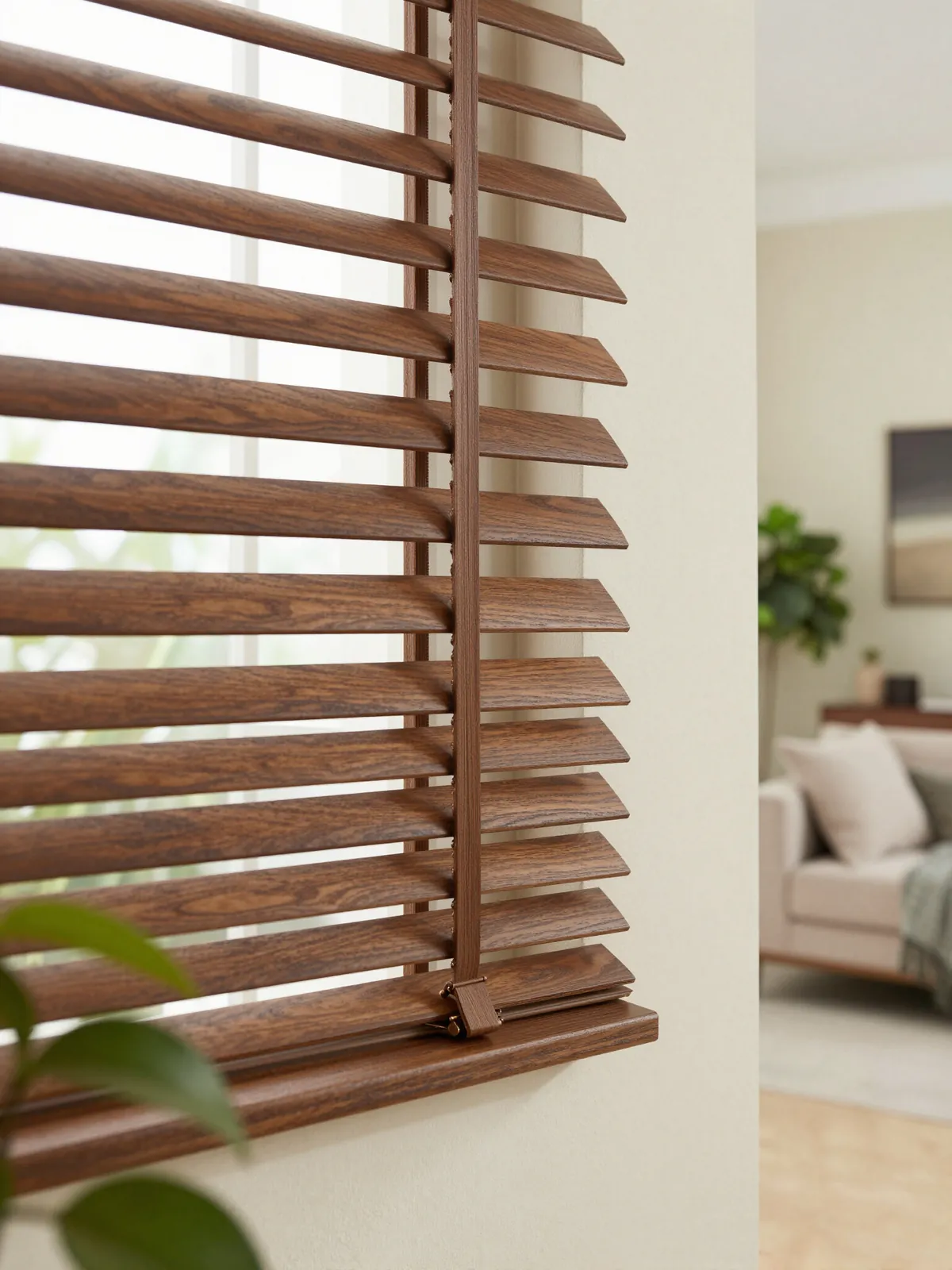
Natural wood blinds give precise control of light. The slats tilt to aim daylight at the ceiling while blocking the view in, and the stain can be chosen to sit with your floors and trim.

Cellular shades
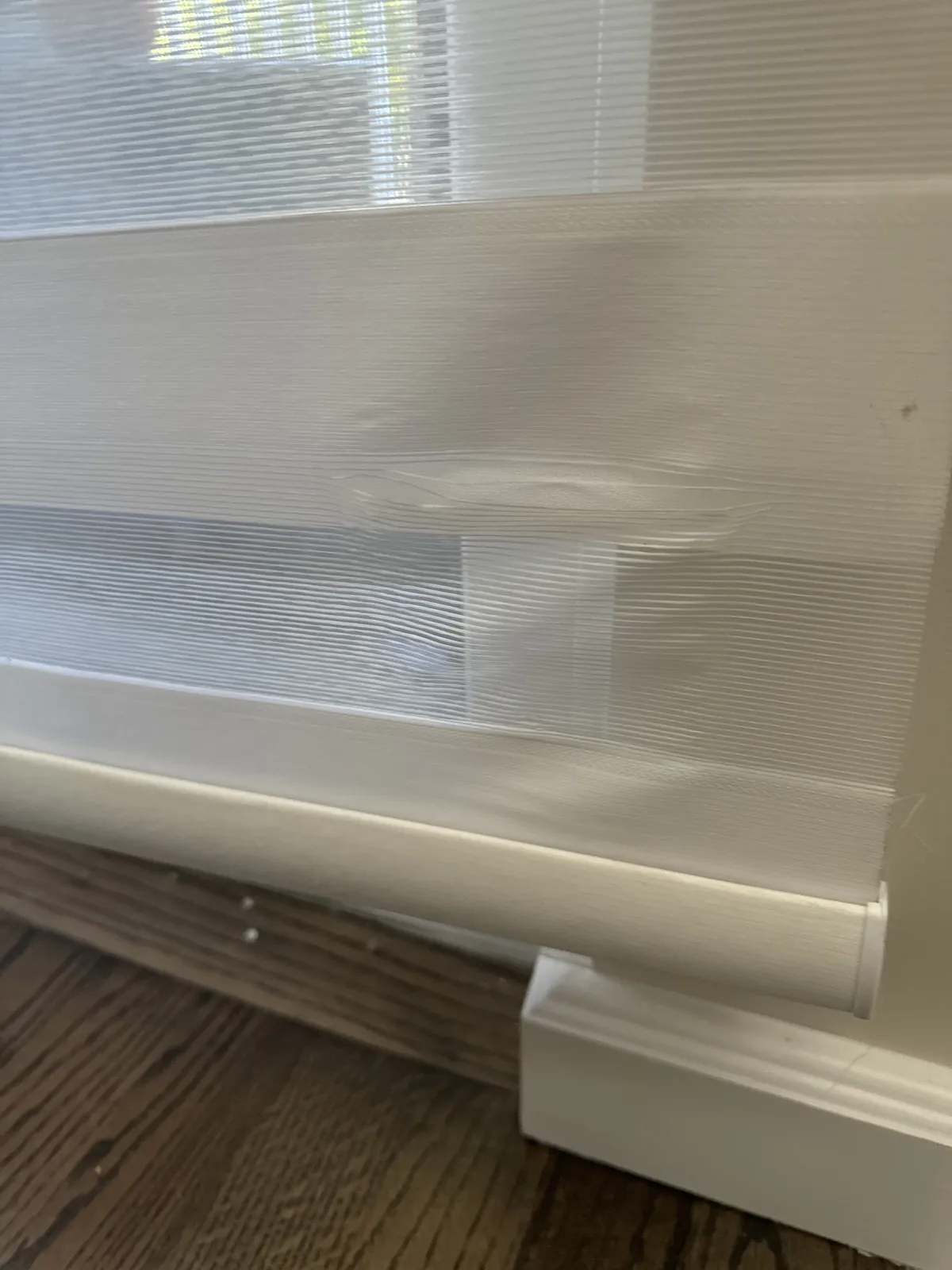
Cellular shades hold a layer of air in their cells, which helps at older glass on cold walls. They come in light-filtering and room-darkening fabrics, so a bedroom and a living room can share the same look and do different jobs.
Roller shades
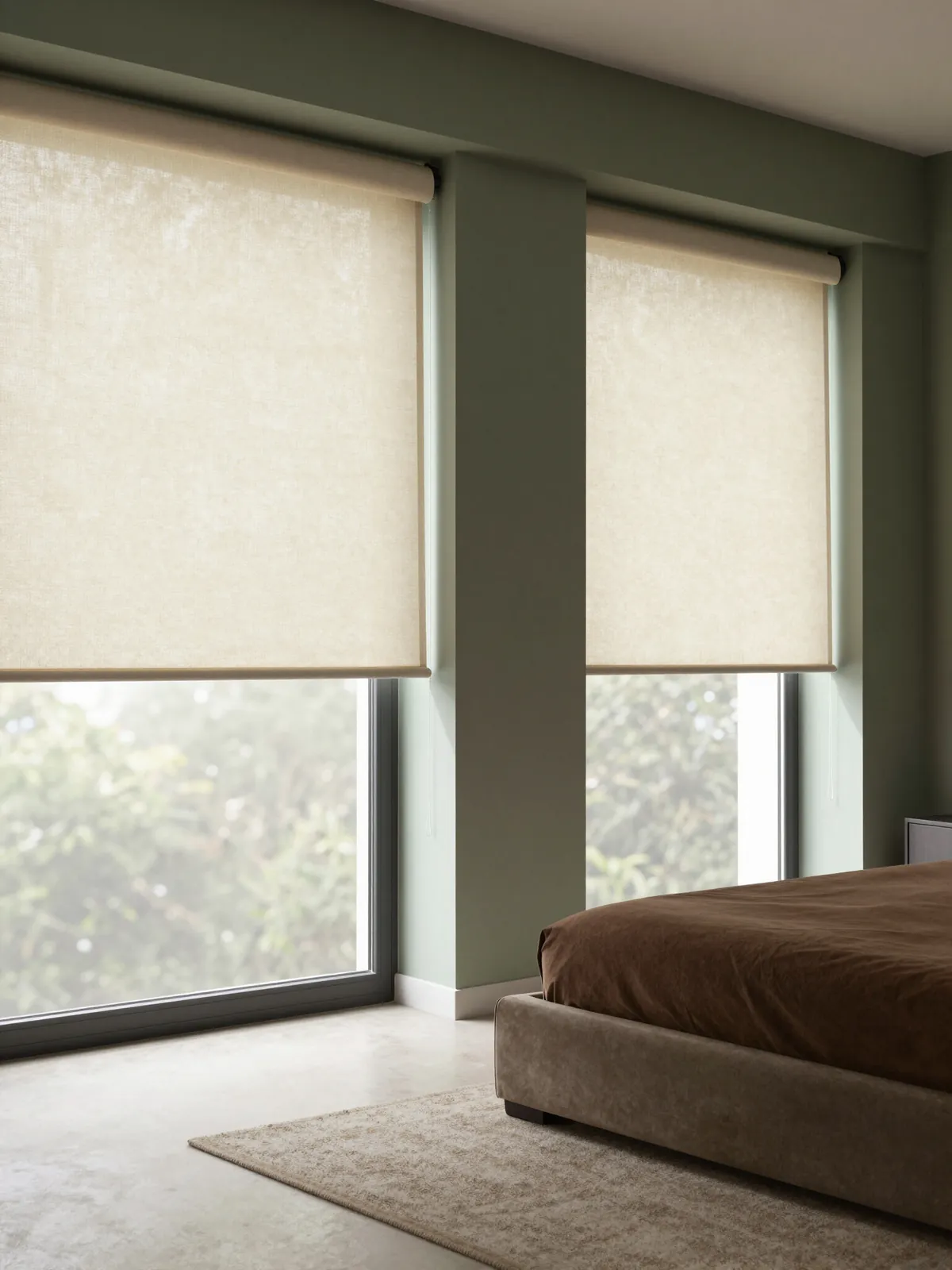
Roller shades are the most streamlined option. They roll up tightly, which makes them a good fit for shallow frames, dormers and windows where you want the trim to show.
Shutters
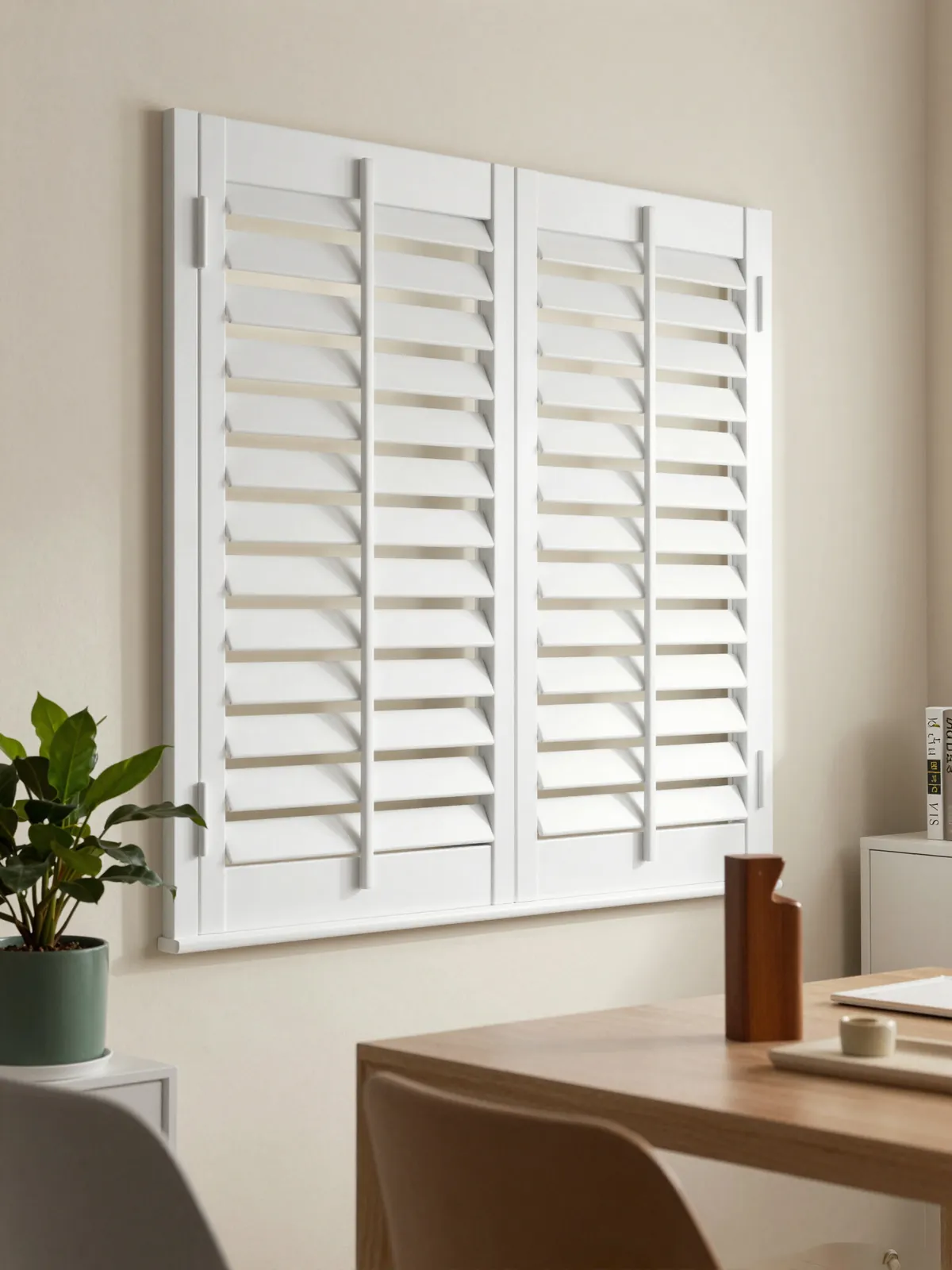
Shutters are built to the window and stay with the house. Their louvers angle to steer the light, and each panel swings back when you want the glass clear, which suits the formal front rooms of a colonial.

Motorized blinds and shades
Motorizing makes sense where a cord is hard to reach, such as a landing window over the stairs, or where you would like a whole room of shades to move together.
From the first count to the last bracket
On a house with a high window count, the order of work matters. A clear process keeps a large project from turning into a long list of loose ends.
Starting with a window schedule
Before choosing products for a big house, it helps to list every window: the room it is in, which way it faces, how you use the room, and anything unusual about the opening. That list becomes the backbone of the project. It shows at a glance where a wood blind makes sense, where a fabric shade will work better, and which rooms share a street face and need to match. We start that schedule with you on the first visit, so later rooms are planned against the same list.
The schedule also makes the order easier to check. Before anything is made, you can read down the list and see every window, the product chosen for it, the color, the mount and how it will be operated. On a shingle-style house with so many different openings, that one view catches the small mistakes, such as a guest room left off or a casement given a blind that would hit its crank, while they still cost nothing to fix.
Choosing by how often a blind moves
A useful way to choose is to think about how often each blind is raised and lowered. A bedroom shade moves twice a day. A living room blind may be tilted far more often than it is lifted. A guest room shade may hardly move at all. Blinds that are tilted all day suit wood slats or shutter louvers. Shades that go fully up and down every day want a light fabric and an easy lift. Windows that move rarely, or only all together, are the best candidates for motorizing. Thinking this way keeps a large order practical rather than just good-looking.
Measuring older frames
We measure every opening at several points across the width and down the height, and check whether the frame is square. We note the depth of the window pocket, because a wood blind or a cellular shade needs more depth than a roller shade, and we look for anything that sticks out into the space: sash locks, crank handles on casements, old storm window hardware, a radiator below. Those notes decide whether a blind sits inside the frame or on the trim outside it.
Inside the frame or on the trim
An inside mount shows off the trim and looks tidy, and on a well-kept colonial sash it is often the first choice. An outside mount covers a frame that has moved out of square and blocks more light around the edges, which can be right for a bedroom. On a shingle-style house, the answer can change from window to window. We recommend the mount for each opening when we measure, and explain why, so you can see the reasoning rather than taking it on trust.
Fitting day
Professional installation is part of the service. When your blinds and shades are ready, we fit each one, level it, and run it up and down to be sure it moves smoothly. We set the tilt and lift so they feel right in your hand, tidy up after ourselves, and show you how everything works. If any trim painting or window replacement is planned, it is best done before we measure, since either can change the numbers. More on the craft is on our measuring and installation page.
Seeing blinds in Natick, or at your own windows
You can see the materials at our store or have them brought to your house. Both are worth doing on a project with many windows.
The showroom
Our showroom in downtown Natick has wood blinds, fabric shades and shutters on display, so you can tilt the slats, pull the shades and compare how each one handles light. You can hold a stain beside a fabric, or a shade sample beside a paint chip, since paint, paper, fabric and floor samples all live in the same store. Our showroom page has the directions and when we are open.
The free in-home consultation
A blind sample looks different against your own trim, in your own daylight, than it does under store lights. The free in-home consultation brings the samples to your windows. We walk the house with you, start the window schedule, look closely at the awkward openings, and talk through which rooms to begin with. For a fuller description of the visit, see our page on the in-home design consultation.
Blinds as part of a bigger room plan
On a whole-room or whole-house project, blinds are one decision among several. The stain on a wood blind has to live with the floor. The color of a shade has to sit with the wall paint and the trim. Drapery may hang in front of it. Because Debsan carries paint, wallpaper, fabric and flooring under the same roof, those choices can be made together instead of one at a time. If you would like drapery over your shades, see custom drapery in Wellesley; for the full category of window treatments, including how blinds work with other options, see window treatments in Wellesley.
Blind choices, room by room
Living rooms. A colonial’s front living room tends to be its most formal space, and the one people see from the sidewalk. Shutters or wood blinds look orderly from the street. Inside, tilting the slats lets you keep the room bright and private at once.
Dining rooms. Often lit in the evening and seen from the street after dark. Wood blinds in a stain that matches the table or the floor feel warm, and they close fully at night.
Bedrooms. Darkness comes first. Room-darkening cellular shades shut out most of the morning light and help against a chilly outside wall. An outside mount stops light leaking around the edges.
Studies and home offices. Glare control matters more than darkness. Wood blinds tilted upward send light to the ceiling and away from a screen. A light-filtering roller shade does a similar job with a cleaner look.
Kitchens and baths. Steam and splashes rule out some materials. Shutters and wipeable roller fabrics hold up well near a sink or a shower, and natural wood is better kept away from the dampest rooms.
Sunrooms. Heat and glare from several sides at once. Cellular shades soften both, and motorizing them lets you close a whole wall of windows with a single press.
Top-floor rooms. Dormers and small windows set into sloped ceilings often have very little depth. Slim roller and cellular shades fit where wood blinds cannot.
Slat sizes, stains and the view from outside
Wood blinds come in more than one slat width, and the choice changes the look of a room more than people expect. Wider slats give a clearer view when they are open and suit the big sashes of a colonial’s main rooms. Narrower slats look neater on a small or slim window. On a house with many windows, we usually pick a slat size for the rooms that show to the street and keep to it, then vary the stain or the product in rooms at the back.
Stain is the other big decision. A wood blind sits right beside the window trim and close to the floor, so the stain has to agree with both. Against painted trim, a blind in a matching paint color reads as part of the window. Against stained woodwork in a study or a library, a stain that picks up the wood tone feels settled. We bring finish samples to the house so you can judge them against the real trim, in the room’s own light.
From outside, what shows is the back of the slats or the backing of a shade. On a colonial front, keeping that face consistent from window to window does more for the look of the house than any single choice inside.
When blinds and shutters share a room
Plenty of rooms end up with more than one product. A kitchen might have shutters over the sink and a roller shade on a door. A family room might have wood blinds on the main windows and cellular shades in a run of small transoms above them. That works well when the colors agree and the hardware lines up. We plan the heights so headrails and shutter frames sit at a common line across the wall, and choose finishes that read as one family, so a mixed room still looks deliberate.
Light, privacy and the time of day
Every window in a large house sees a different sky. East-facing bedrooms catch the sunrise, west-facing living rooms take the late sun, and north rooms stay even all day. When we fill in the window schedule, we mark the direction of every room, since that changes which fabric opacity and which product we suggest. A room-darkening cellular shade in an east bedroom and a light-filtering roller in a north study can share the same color and look like a set from the street while doing opposite jobs inside.
Matching new blinds to ones you already have
Sometimes the house already has some good blinds, and the project is to fill the gaps or extend them into new rooms. We can look at what is there, and if the existing blinds are worth keeping, plan new ones that sit well beside them. If some of the older ones only need a repair, our blind repair in Wellesley page explains how that works, so you are not replacing anything that still has life in it.
Looking after custom blinds
Good blinds last when they are cared for gently. Wood slats only need a soft cloth or a duster run along them now and then, and they are better kept dry, so wipe up condensation on a cold morning rather than letting it sit. Fabric shades shed dust with a light vacuum on a brush attachment. Shutters wipe clean with a damp cloth, which is one reason they are popular near sinks. When we install, we show you how each product cleans and how to raise and lower it without strain on the cords or the mechanism. If something does stop working later, a repair is often possible before a replacement is needed.
Child and pet safety
Cords and loops on older blinds can be a hazard where small children or pets are in the house. When we plan new blinds, we look at which windows are within reach of a child or a pet, and suggest options that keep cords out of the way, including motorized shades. Tell us about it on the home visit, especially for bedrooms and playrooms, and we will plan around it.
Custom blind questions from Wellesley
Do you measure and install custom blinds in Wellesley?
Yes. We come to Wellesley for free in-home consultations, measure every window, and install the finished blinds and shades. Some people like to visit the Natick showroom before we come out.
Can you keep blinds matching across a house with many windows?
Yes. We note every finish and fabric chosen for your house, so blinds ordered later for another room match the ones already fitted.
What works on shingle-style casement windows?
Casements crank outward, so the blind has to clear the crank handle and the hinge side. Fabric shades and slim roller shades often suit narrow casements better than wide wood slats. Each casement is judged on its own at the measuring visit.
Should we do the whole house at once?
Not necessarily. Many projects plan the whole house first and then fit one room or floor after another. The plan keeps every room consistent, however long the work takes.
Get your Wellesley windows measured
It starts with a free in-home consultation. Ask for one on our contact page, or call us with the call button on this page, and we will arrange a time to bring samples to your house. Our custom blinds page covers the whole blind and shade range, and our Wellesley page gathers the other lines we bring to town.