
Welcome, and thank you for asking the question directly. Custom drapery cost is something we are always happy to explain, and the honest answer is that it depends on a short list of choices, each of which you control. Once you know what they are, a quote stops being a mystery and becomes something you can adjust.
There are no figures on this page, on purpose. Every window, fabric and style is different, and a number written here would mislead more people than it helped. What we can do is show you what moves the price up or down, so you can decide where to spend and where to save.
What Moves the Number, in Order
These are the factors roughly in the order they tend to matter. The first few usually make the biggest difference.
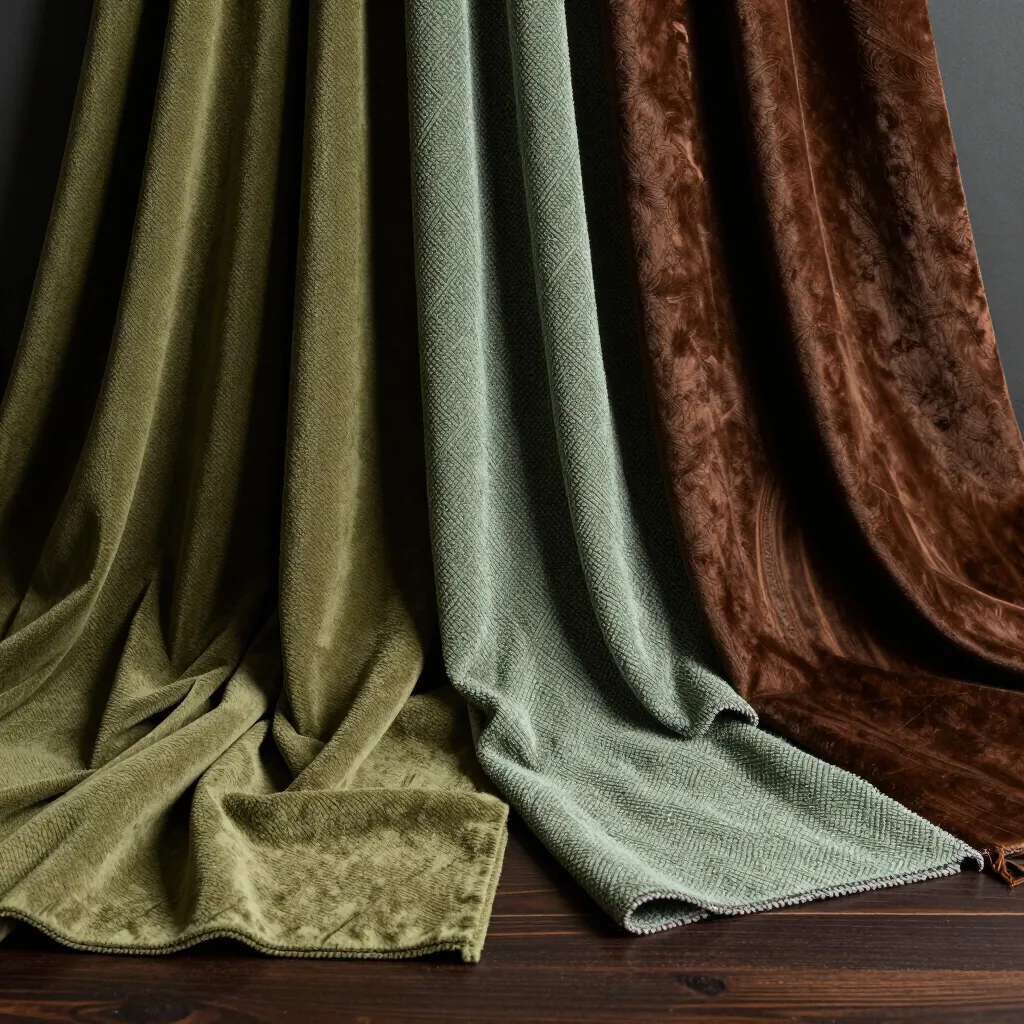
- The fabric you choose. Fabric is priced by the yard, and drapery uses a lot of it. A heavy linen, a silk or a woven pattern from a designer house costs more per yard than a plain cotton or a simple sheer. The fabric is often the single largest line on a quote.
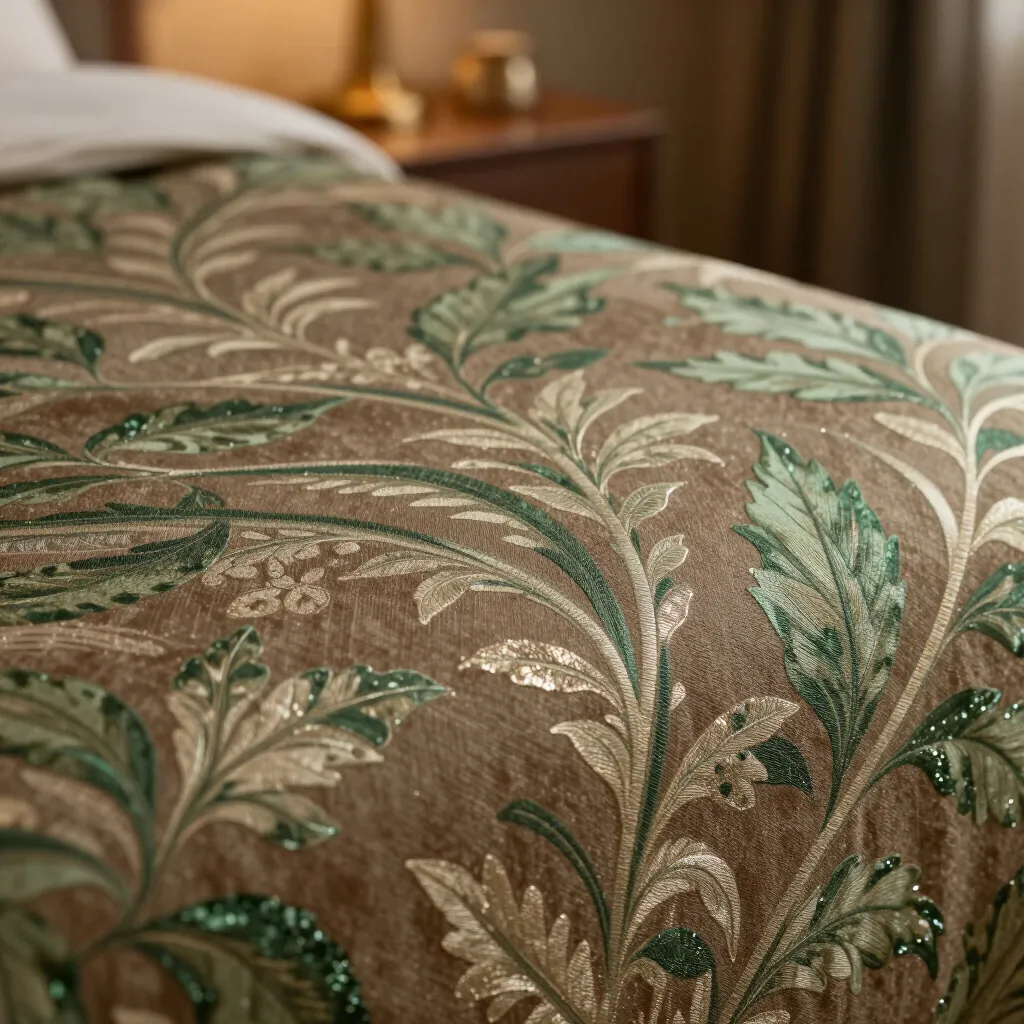
- The pattern repeat. A patterned fabric has to line up across the seams and from panel to panel, so the sewing starts each cut at the same point in the pattern. The bigger the repeat, the more fabric is set aside to match it. Two fabrics at the same price per yard can need quite different yardage once the repeat is counted.
- Fullness. Drapery is wider than the window it covers, so it gathers into soft folds when closed. More fullness looks richer and uses more fabric. Less fullness looks flatter and uses less. This is one of the easiest places to adjust a quote without changing the fabric.
- Lining. Unlined drapery is the lightest and simplest. A standard lining protects the face fabric from sun and helps it hang well. Blackout lining blocks light for bedrooms. Interlining, an extra soft layer between the face fabric and the lining, adds body and insulation. Each step adds material and sewing.
- The header style. The top of the drapery decides how it folds. Pinch pleats, inverted pleats, ripplefold, grommets and rod pockets each take a different amount of fabric and a different amount of work. Tailored pleats take the most handwork; a simple rod pocket takes the least.
- Window size and length. Taller and wider windows need more fabric. So does a choice to mount the rod high near the ceiling, extend it well past the frame to let in more light, or let the panels break or puddle on the floor.
- Hardware. A simple rod, a decorative rod with finials, a traverse rod you draw with a wand or cord, and a motorized track are all very different items. Hardware is sometimes overlooked when people compare quotes.
- Labor. The sewing, the measuring and the installation. Careful sewing, especially on patterned or lined drapery, takes time, and so does hanging heavy panels level on an older wall.
What Changes the Answer
Some situations push the total in a particular direction, and it helps to know them before you choose.
Many windows in one room
A room with several windows multiplies every factor above. It is also where small choices add up. Moving from a heavier fabric to a lighter one, or reducing fullness slightly, makes a bigger difference across many windows than on one.
Very tall or very wide windows
Large openings can need fabric that is wide enough or long enough to avoid extra seams, heavier hardware to carry the weight, and more care at installation. A wall of glass behaves differently from a single sash window.
Bay and corner windows
Bays need hardware that bends or meets at angles, and drapery that is made in matching sections. That adds measuring time and hardware cost, even when the fabric is simple.
Function as well as looks
If the drapery needs to darken a bedroom, cut glare on west-facing glass or hold in warmth in winter, the lining does real work, and that is usually worth the extra. If the drapery is mainly there to frame a window and is rarely closed, stationary side panels cost less than full-width drapery.
Pairing drapery with a shade
Many rooms use drapery for softness and a shade underneath for daily light control. That is two items on the quote, but it can also let the drapery be lighter and simpler.
What a Real Quote Lists
Fabric and lining
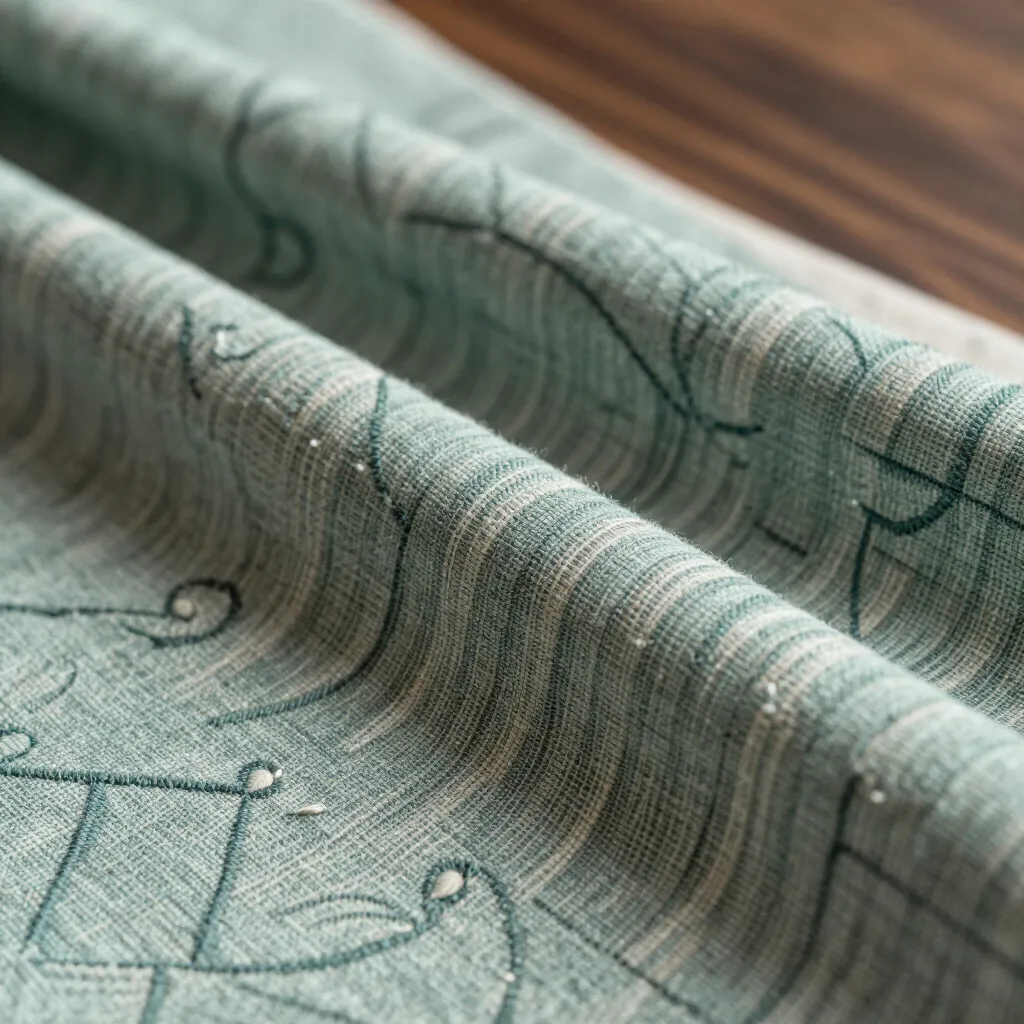
The face fabric with its yardage, which includes the pattern repeat, and the lining or interlining you chose.
Sewing and style
The fabrication: the header style, the fullness, the hems and any trim or banding.

Hardware
The rod or track, brackets, rings or carriers, and finials, listed as their own items.

Measuring and installation
Measuring the windows and hanging the finished drapery, so you can see the work as well as the materials.
Why Two Quotes for the Same Window Differ
It is common to get two quotes that look very different for what seems like the same drapery. Usually they are not quoting the same thing. When you compare, check these:
- Is the fullness the same? A quote with less fullness uses less fabric and will look flatter on the window.
- Is the lining the same? Unlined, lined, blackout and interlined are very different products.
- Is the measurement the same? One quote may cover the frame only, while another runs the rod wider and higher so the panels clear the glass when open.
- Is the hardware included? Some quotes leave the rod or track out, or price a basic one.
- Is installation included? Measuring and hanging are real work. A quote without them is only part of the cost.
- Is the fabric the same? Two fabrics can look alike in a photo and be very different in weight, fiber and how they wear.
When everything is listed line by line, the differences are easy to see, and you can decide which ones matter to you.
What to Bring to the Showroom
To get a useful quote quickly, bring:
- Photos of the windows and the room, taken in daylight
- Rough widths and heights, or a sketch of the wall with the windows marked
- An idea of how the drapery will be used: drawn every night, rarely closed, or purely decorative
- Anything you are matching, such as a rug, a paint color or a sofa fabric
- Fabrics you have liked, even as pictures
In our Natick showroom you can feel the fabrics and linings in hand, compare headers and see how fullness changes the look. Our fabrics page lists the fabric houses we carry. For a final quote we measure the windows ourselves; you can read why on our measuring and installation page.
Common Questions
Why don’t you list prices on the website?
Because the price is built from choices that are different for every window: the fabric, the repeat, the fullness, the lining, the header, the size and the hardware. A number on a page would be wrong for almost everyone who read it.
What is the easiest way to lower the cost?
Look at the fabric first, then the fullness and the lining. A plainer fabric, slightly less fullness, or stationary side panels instead of full-width drapery can all bring the total down without making the room look unfinished.
Is lined drapery worth it?
Usually, yes. Lining helps the drapery hang well and protects the face fabric from sun. If the room needs to be dark or warm, blackout lining or interlining does real work. For a sheer that is meant to let light through, lining is often left off.
Does a patterned fabric cost more?
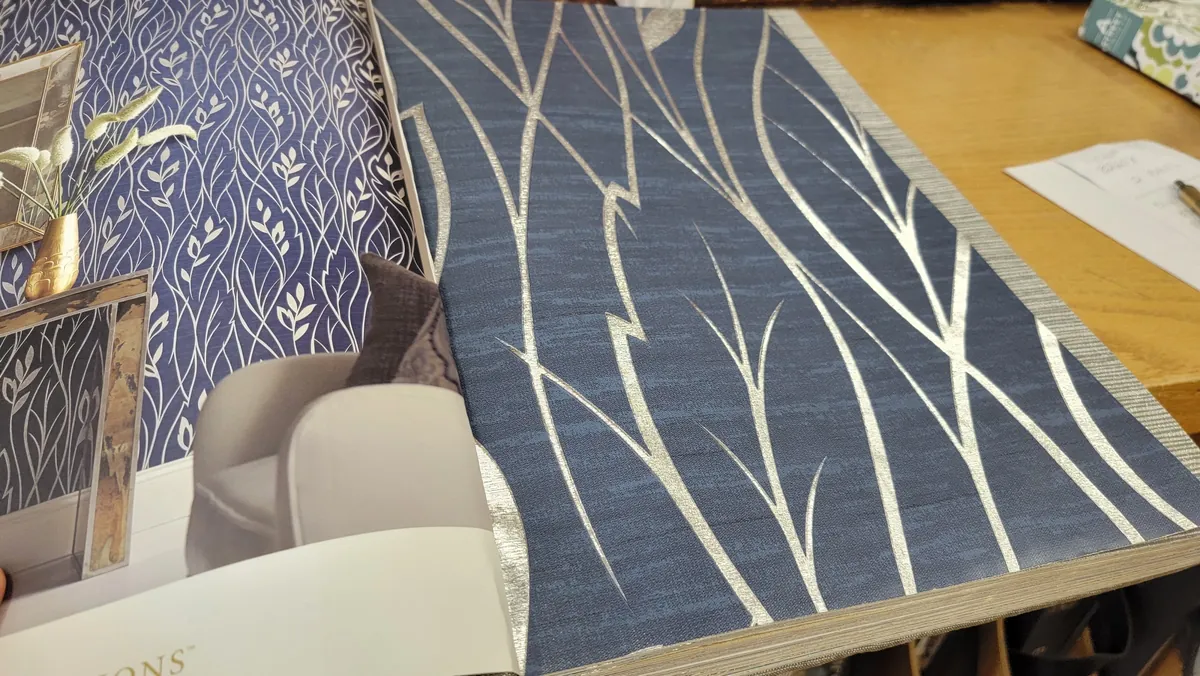
Often it uses more fabric, because the pattern has to match across seams and panels. The larger the repeat, the more fabric is set aside for matching, so it is worth asking about yardage as well as the price per yard.
Do I need new hardware?
Not always. If your existing rods are sound, the right size and suit the new drapery, they may work. We look at them when we measure.
Get a Quote for Your Windows
For real numbers on your own windows, write to us from the contact page, or press the call button in the header and talk it over. Tell us which rooms you have in mind and anything you already know about the look you want, and we will take it from there. You can also browse our custom drapery and window treatment pages.