
Welcome to our Hunter Douglas guide, and thank you for looking into Hunter Douglas with us. Wherever you end up buying, the most useful thing a store can give you is help choosing within the range, and that is what we are glad to offer here and in our Natick showroom. We carry Hunter Douglas window treatments: blinds, shades and shutters, from natural wood to motorized options.
A product page shows you what is available. It cannot see your windows, feel the afternoon sun in your living room or tell you that the shade you like will not clear the window crank. That is the part a local store does, and it is where most good decisions about window treatments get made.
How to Choose, in Order
We suggest working through these questions in this order. Each answer narrows the next.
- What does the room need from the window? Start with the problem, not the product. A bedroom may need darkness in the early morning. A home office may need to cut glare on a screen without losing daylight. A living room may need privacy at night but a clear view by day.
- How much light, and how much privacy? These are related but not the same. Some treatments soften light and still let people see shapes through them at night. Others block the view completely but also block the light. Deciding which matters more in each room narrows the choice quickly.
- Which family suits the room: blinds, shades or shutters? Blinds tilt to direct light precisely. Fabric shades soften the light and add texture. Shutters are a fixed part of the window that adjusts with louvers and stays in place.
- How will you operate it? Some treatments lift by hand, some are cordless, and some are motorized. The right choice depends on how high the window is, how often you adjust it and who will be using it.
- What material and color? Only now does the look come in: wood or fabric, light or dark, how it relates to the walls, the floor and any drapery. Choosing this last means you are choosing between options that already work.
What Changes the Answer
The same window can need a different treatment depending on the room and the way the house is used.
Bedrooms
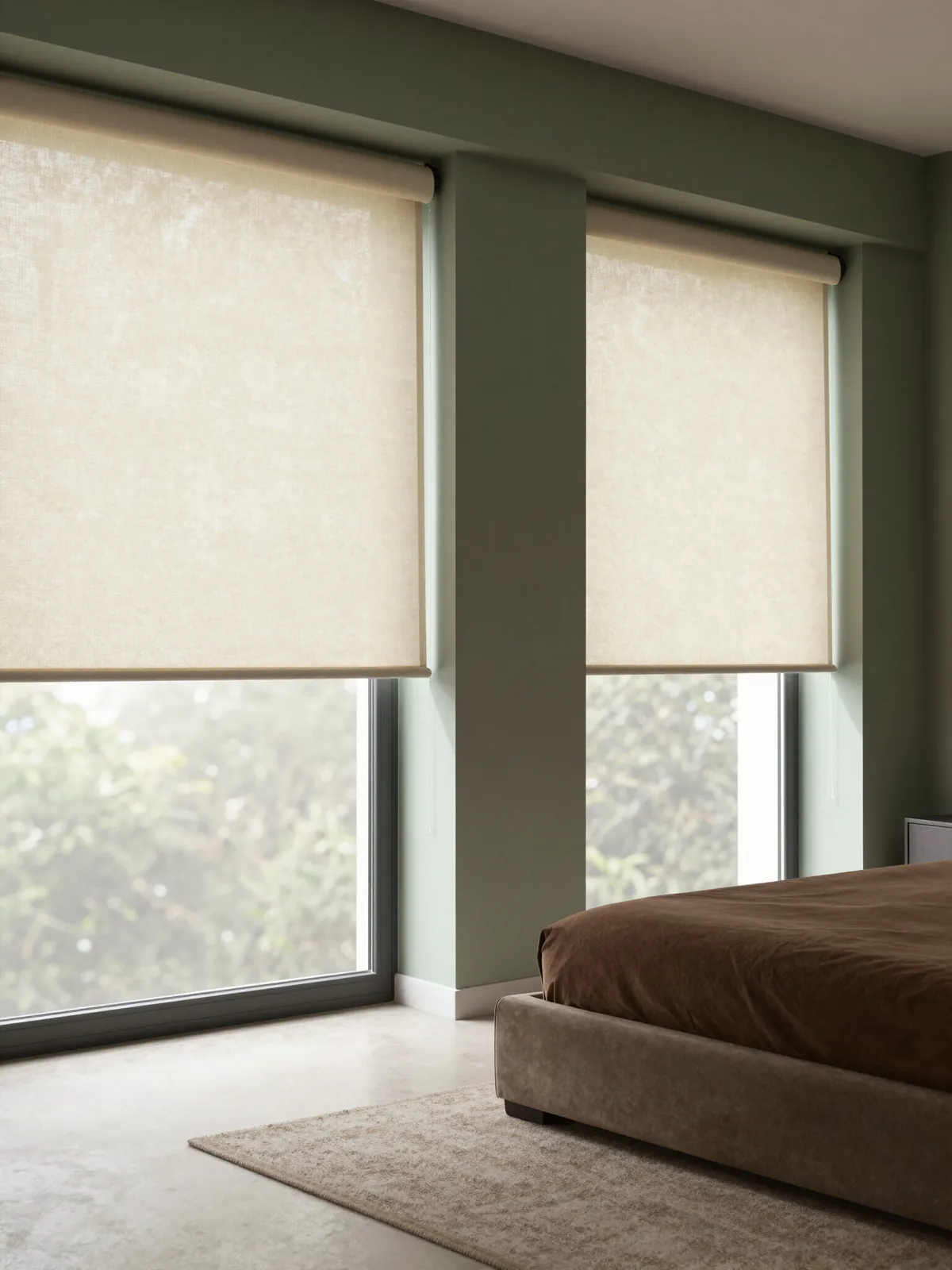
Darkness is usually the first concern. A room-darkening fabric or a lined treatment matters more here than anywhere else. Light leaking around the edges is often the real complaint, so the way the treatment is mounted matters as much as the material.
Living rooms and family rooms
Most people want daylight and a view during the day and privacy after dark. A treatment that filters light, or one that can be adjusted easily through the day, usually suits these rooms better than one that is simply open or closed.
Home offices
Glare on a screen is the common problem. Blinds you can tilt, or a fabric that cuts glare while keeping the room bright, help more than a heavy treatment that leaves you working in the dark.
Kitchens and bathrooms
Moisture and cleaning come into it. Some materials suit damp, steamy rooms better than others, and we will point you to the ones that hold up.
Large expanses of glass
Wide windows and walls of glass bring heat and glare, especially facing west. Treatments that filter strong sun while keeping the view are often the right answer, and large windows are where motorized operation starts to make a real difference.
Where Motorized Operation Earns Its Keep
Motorized treatments are not right for every window, and we will tell you when a simple cordless lift will do. They earn their keep in particular places:
- High windows. Windows above a stairway, in a double-height room or high in a vaulted ceiling are hard or impossible to reach by hand.
- Windows behind furniture. A window behind a deep sofa, a bed or a kitchen counter is awkward to adjust every day.
- Rooms with many windows. Raising or lowering several treatments together saves a walk around the room every morning and evening.
- Rooms where light changes a lot. Sun-facing rooms where you would otherwise be adjusting shades through the day.
- Homes without cords. Motorized and cordless options keep cords out of the way, which some households prefer.
The best way to judge is to stand at the window. During a visit we look at each window and tell you honestly which ones would benefit and which would not.
Blinds, Shades and Shutters at a Glance
Blinds
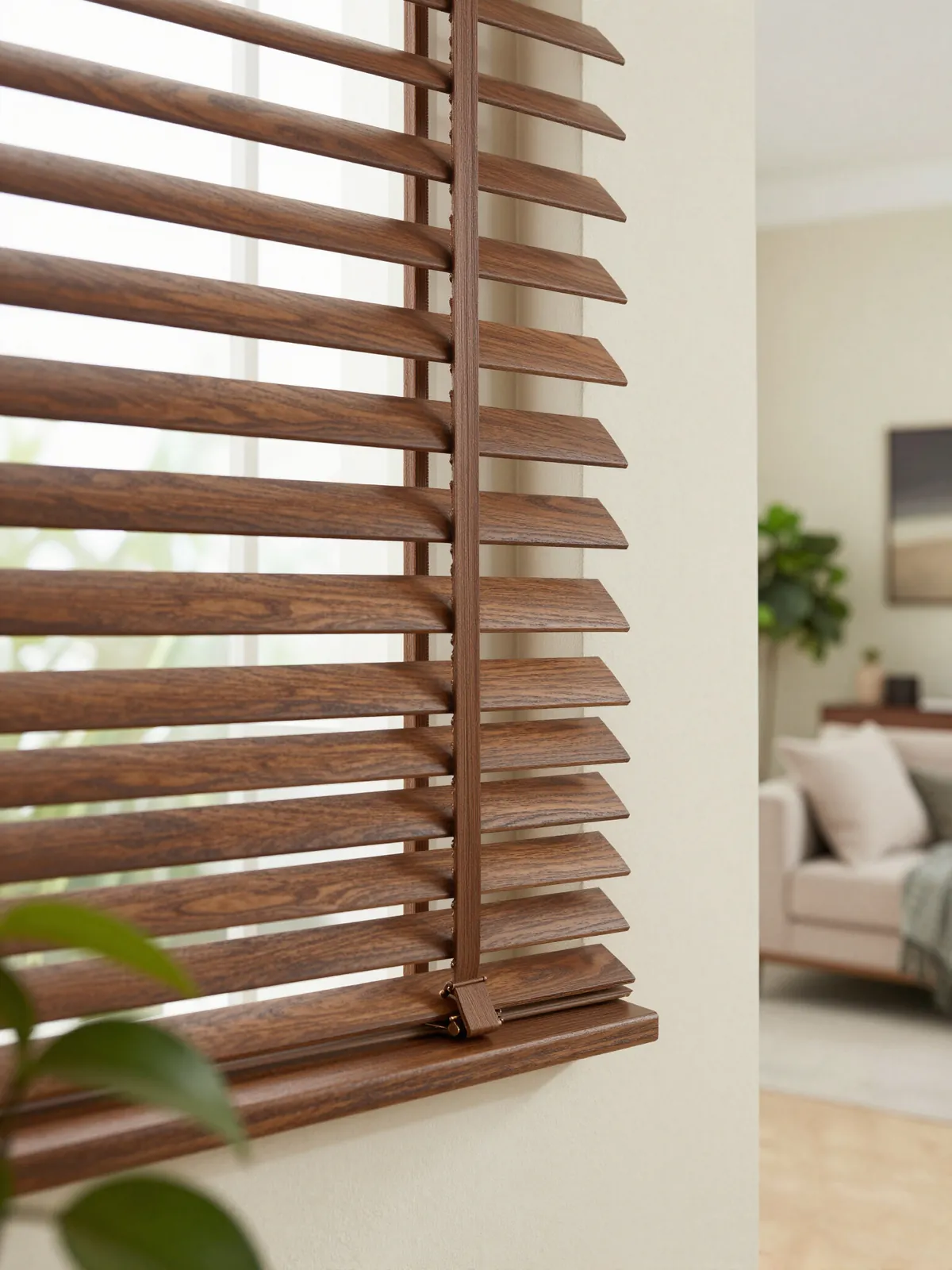
Slats that tilt to direct light exactly where you want it. Natural wood adds warmth; blinds suit offices and rooms where light control through the day matters most.

Fabric shades
Fabric that lifts and lowers, from sheer and light-filtering to room-darkening. Shades soften the light and bring texture to the window.
Shutters
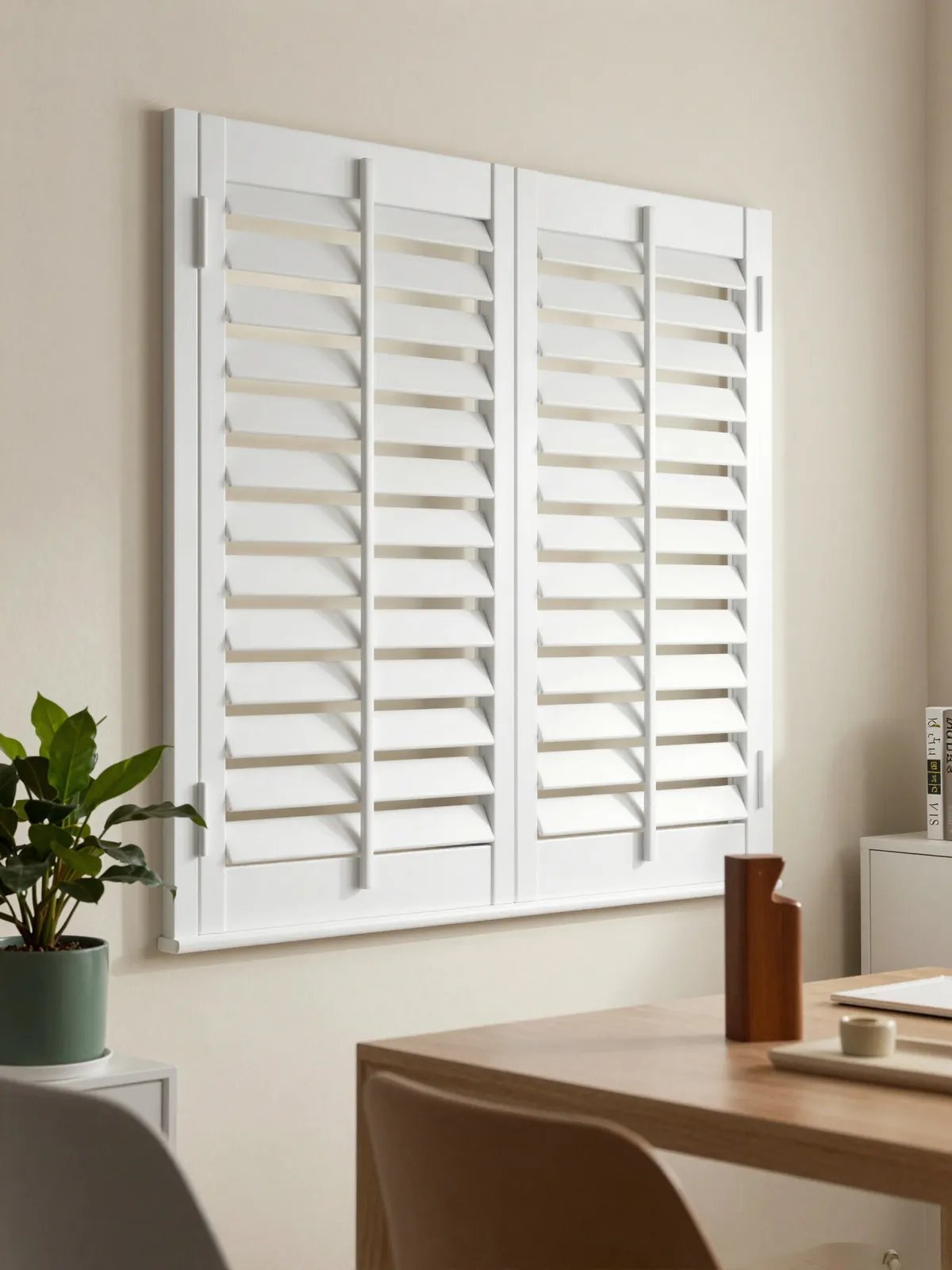
A fixed, furniture-like treatment fitted to the window, with louvers that open and close. Shutters suit rooms where you want a permanent, tailored look.
What a Local Store Adds
The product is the same wherever you buy it. What differs is the help around it.
- Samples in your hand. You can feel the fabrics, see how the materials catch light and compare colors side by side, in our showroom or at your windows.
- Measuring done for you. We take the window sizes ourselves, so the order fits the window you actually have. You can read more about it on our measuring and installation page.
- Installation. Our team fits the treatments as well, including setting up motorized treatments so they work from the day they are fitted.
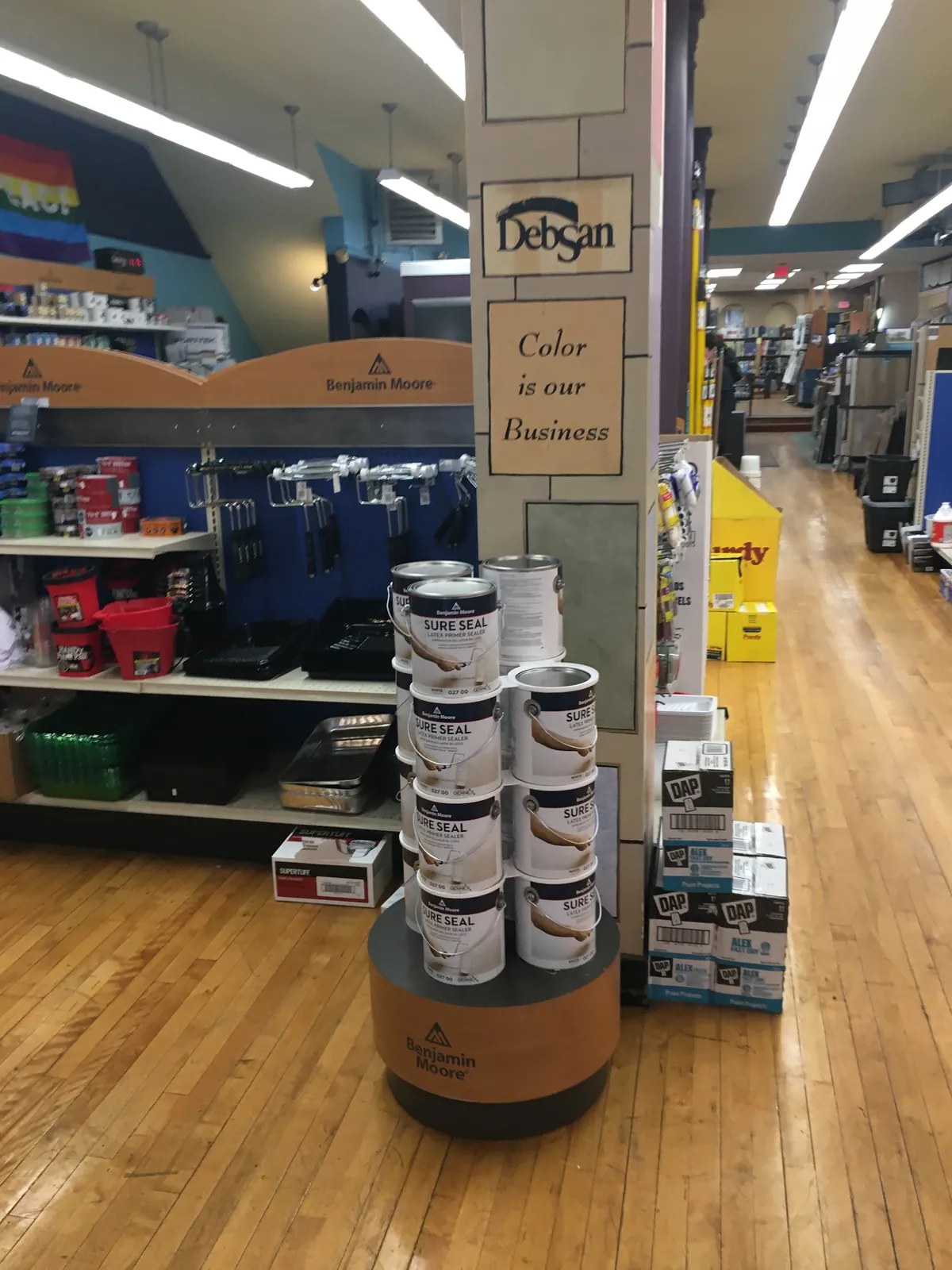
- The rest of the room. Paint, wallpaper, fabric and flooring live in the same showroom, so we can help the treatments work with the walls and floors around them.
- Someone nearby afterwards. If a question comes up once the treatments are up, the store you bought from is a short drive or a phone call away in downtown Natick.
What to Bring to the Showroom
To make a showroom visit productive, bring:
- Photos of each window, taken from inside in daylight, and one of the whole room
- Rough sizes of the windows, if you have them
- Which way the windows face, if you know
- What bothers you now: glare, heat, morning light, privacy, cords
- A paint chip, fabric or photo of anything you want the treatments to work with
To begin in your own rooms instead, a free in-home design consultation puts the samples at your windows.
Common Questions
Do you sell Hunter Douglas?
Yes. Hunter Douglas window treatments are among what we carry, including blinds, shades and shutters, with motorized options.
Should I choose blinds or shades?
It depends on the room. Blinds give precise control over the direction of light and suit offices and kitchens. Fabric shades soften the light and suit living rooms and bedrooms. We can show you both at your window.
Is motorization worth it?
On high windows, windows behind furniture and rooms with several windows, often yes. On a single window you can easily reach, a cordless lift may be all you need. We will tell you which windows would benefit.
Which treatment is best for a bedroom?
Usually a room-darkening shade or a lined treatment, mounted so that as little light as possible leaks around the edges. How it is mounted matters as much as what it is made of.
Do you measure and install Hunter Douglas treatments?
Yes. We measure your windows before the order goes in and fit the treatments when they arrive.
Talk to Us About Your Windows
When you are ready to choose, send us a message on the contact page, or use the phone button at the top of the screen to speak to us. Tell us which rooms you are working on and what each one needs, and we will help you find the right Hunter Douglas treatment for every window.