
Why Wellesley’s colonials and shingle-style houses need a plan
Good window treatments in Wellesley, MA start with the house rather than the catalog. A great deal of the housing here is made up of big older colonials and shingle-style houses, styles that were drawn around their windows. A center-hall colonial sets its sashes out in even rows across every floor. A shingle-style house does almost the opposite, gathering bays, dormers, eyebrow windows and narrow casements into a looser outline. Either way you end up with a high window count, and every opening has to look right from inside the room and from the street.
The front of the house reads as a set
On a house with this many windows, nobody sees a single window on its own. From the sidewalk, the front of a colonial reads as a grid, and a mismatch shows straight away: white shades upstairs, stained wood in the living room, a different white in the study. The fix is not to make every room identical. It is to settle the face the house shows the street first, usually a single color or backing on every window visible from the front, and then choose freely room by room behind it.
Shingle-style openings that refuse to match
Shingle-style homes bring their own puzzle. A curved bay can sit beside a flat casement, with a small diamond-paned window on the stair above. Treatments for those openings rarely come from one product. A fabric shade made up in more than one construction keeps the color consistent while letting each opening work its own way, and that is often the cleanest answer for these houses.
Whole rooms, not single windows
With a window count this high, it usually makes sense to plan a whole room or a whole floor at once rather than tackle one awkward window. That is the kind of work a multi-line store is set up for. We can plan the shades, the drapery fabric around them, the wall color and the floor beneath in the same conversation.
What we carry for Wellesley windows
Natural wood blinds
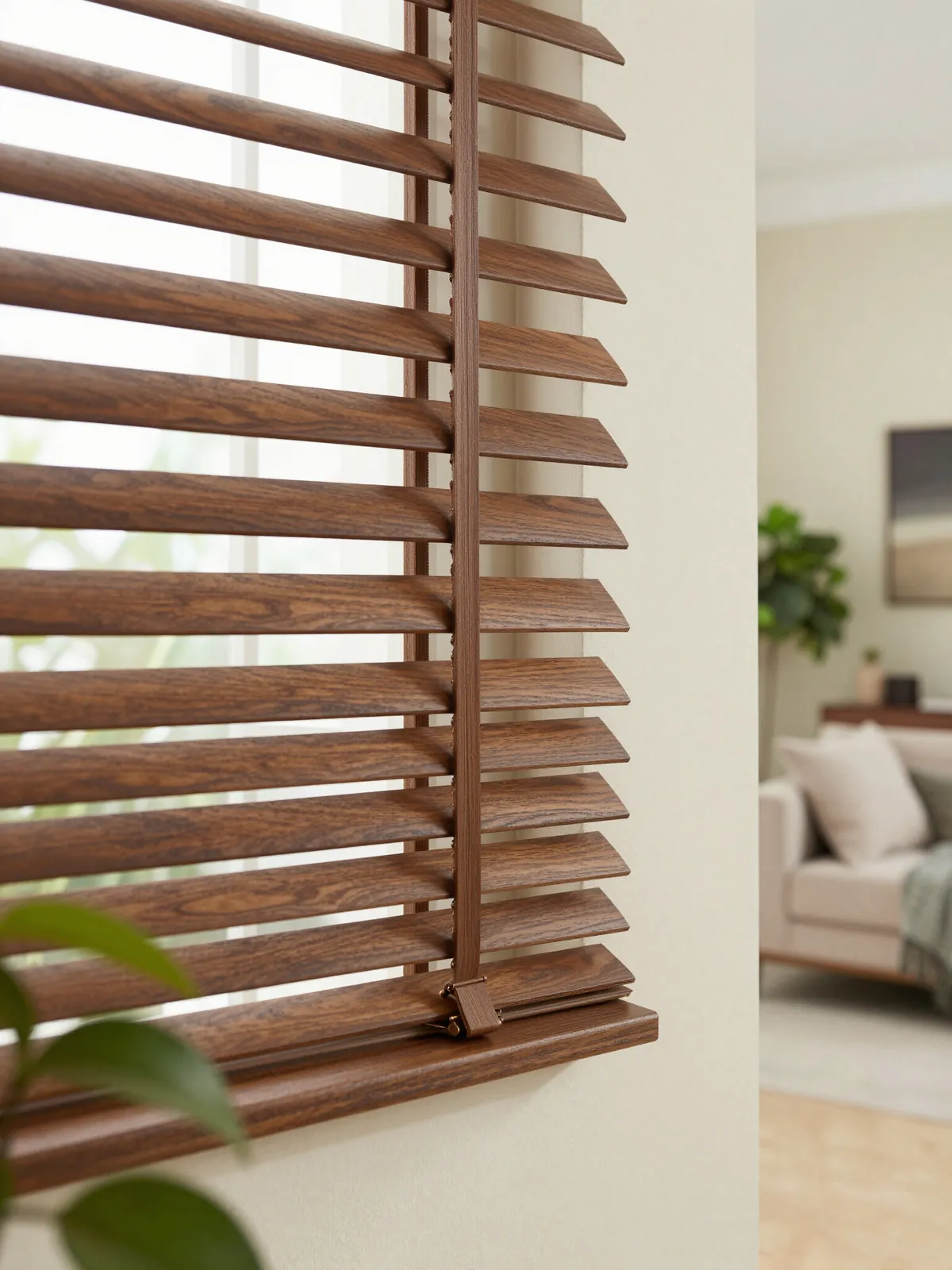
Wood blinds give you fine control of light and view. Tilt the slats to send daylight up to the ceiling while the street sees nothing, or raise the blind to clear the glass. Stained wood sits comfortably beside the paneling and old trim common in colonial studies and dining rooms.

Fabric shades
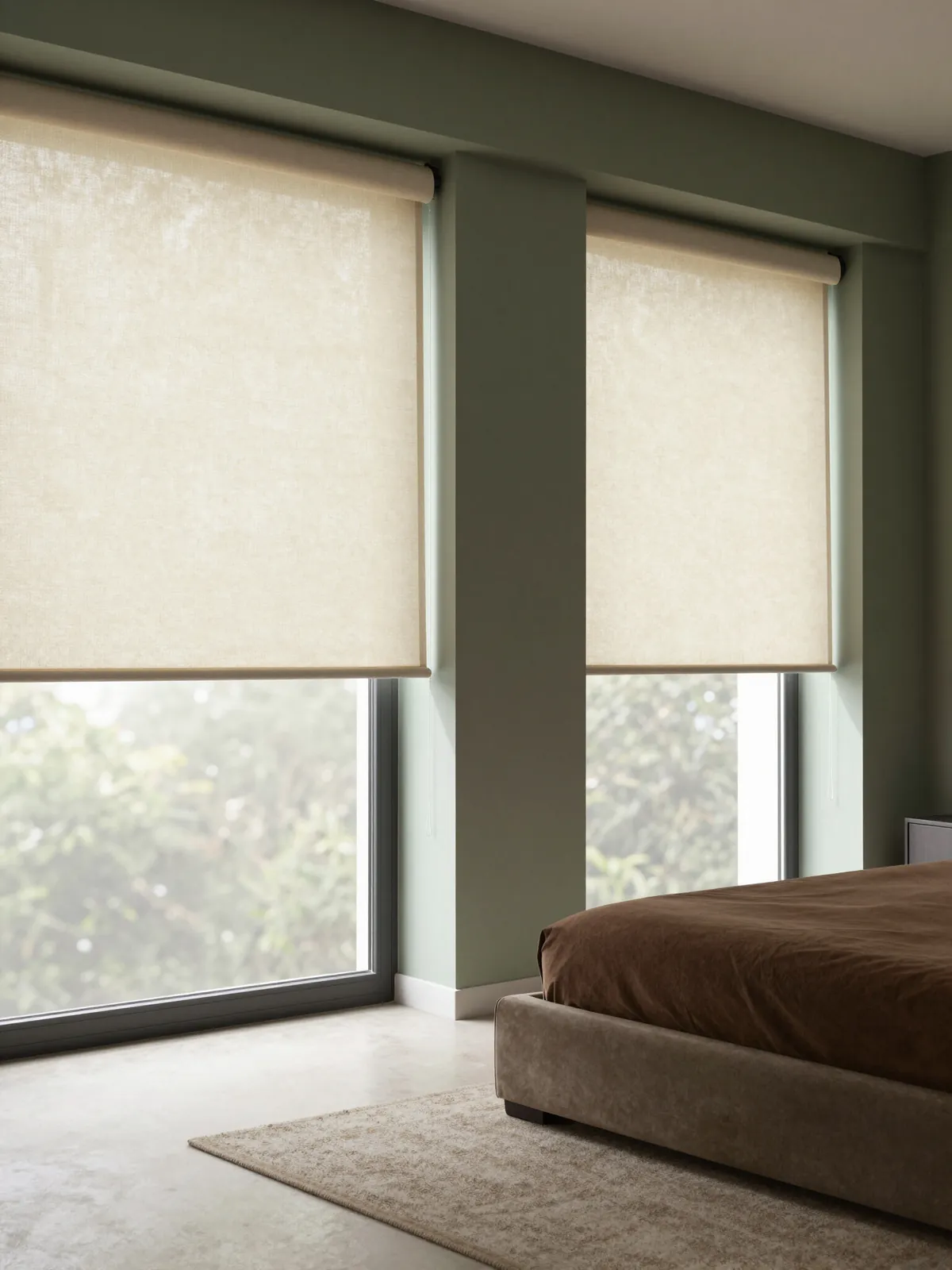
Cellular and roller shades soften a window and cover a wide range of jobs. Cellular shades hold air in their cells, which helps on older single-glazed sashes. Roller shades stack into a slim roll where there is little room above the glass, such as a shallow dormer.
Shutters
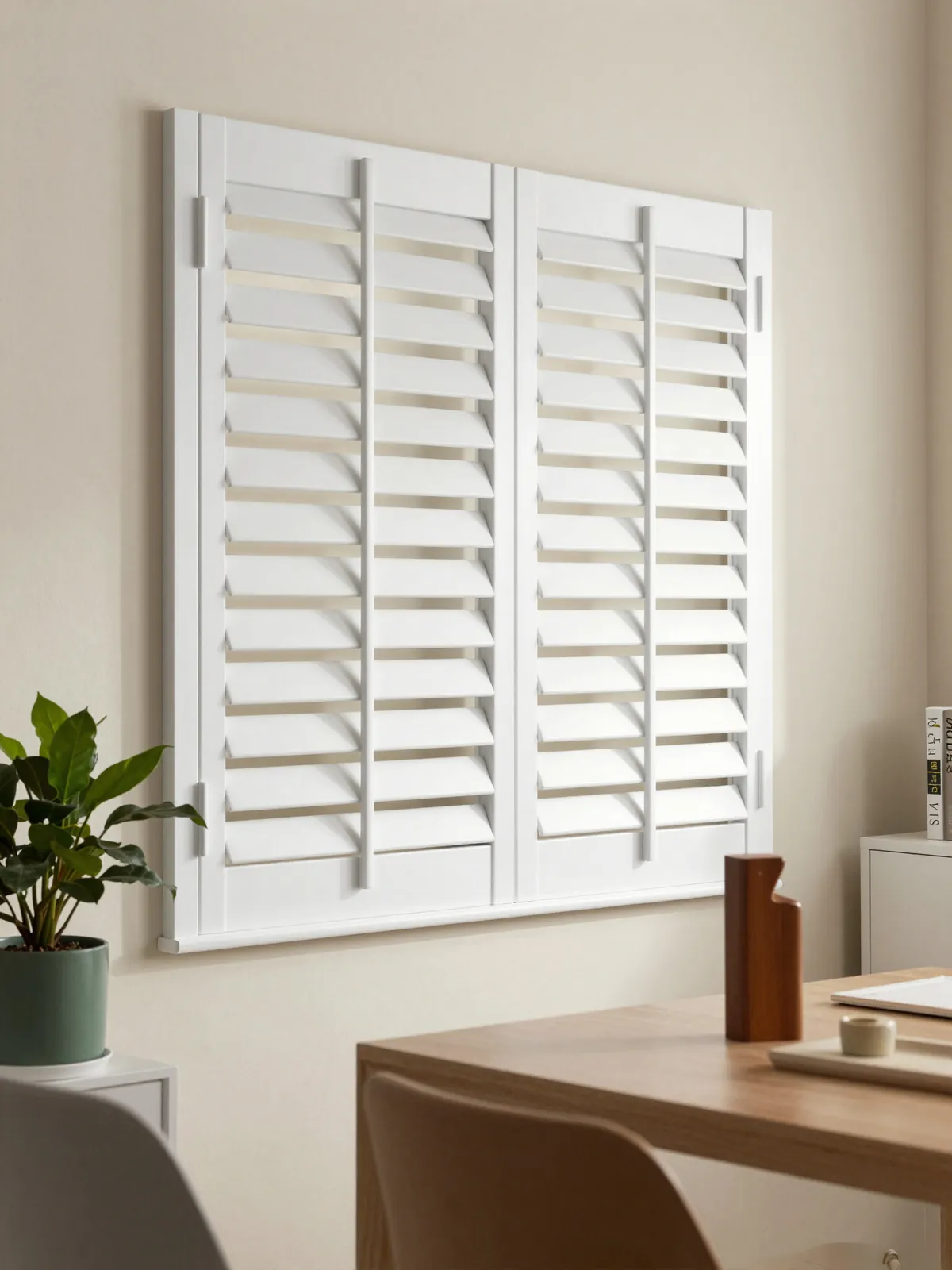
Shutters become part of the architecture. The louvers tilt like a blind, and the panels swing open to clear the window. They suit the formal symmetry of a colonial’s front rooms and look orderly from the street.

Motorized options
Motorized shades are worth considering on windows you cannot comfortably reach, like stair landings and tall transoms, or in rooms where you would like a whole wall of shades to move together.
Custom drapery and fabric
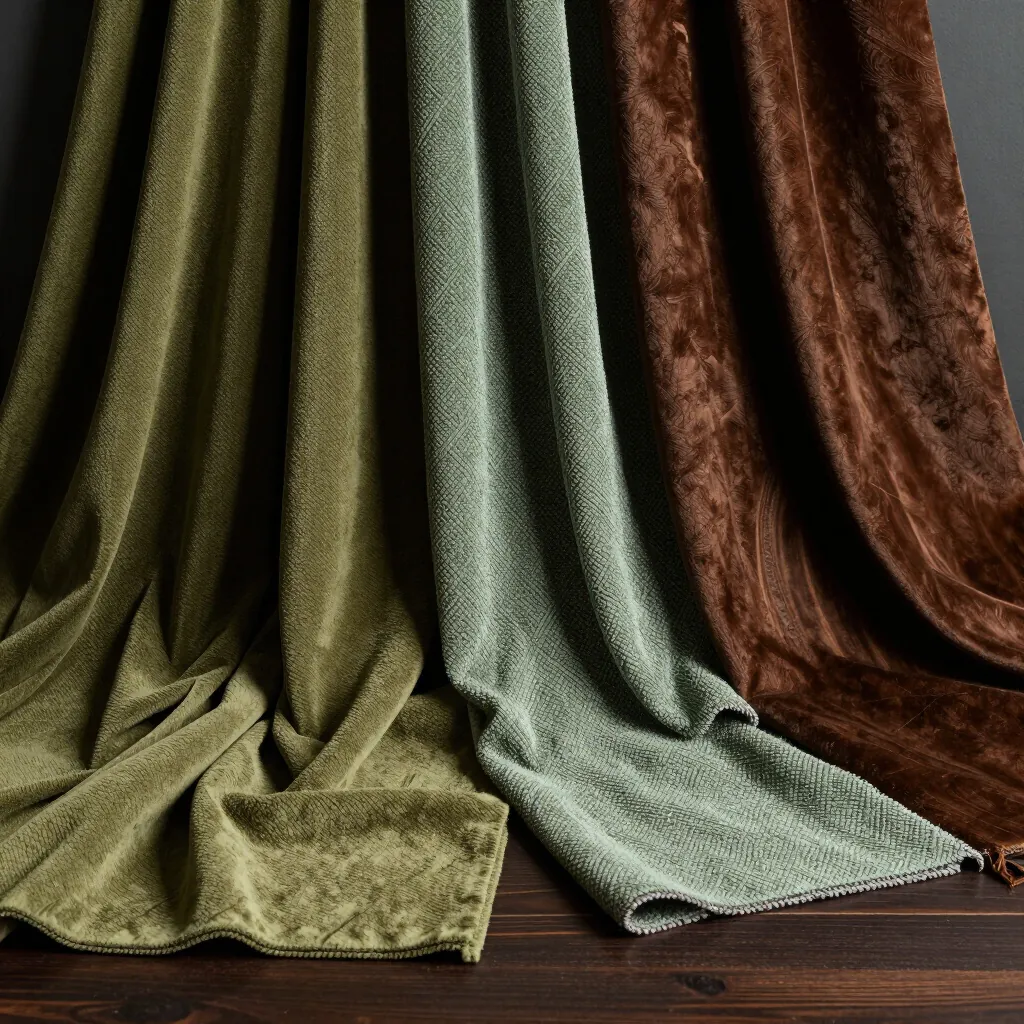
Drapery layered over a shade adds height and softness around tall sashes and bays. Our fabric room carries designer lines such as Kravet, Schumacher, Thibaut and Sanderson, so the drapery can be chosen with the shade.
How we measure a house with this many windows
Measuring is where a window treatment succeeds or fails, and in an older house it deserves more care than people expect. A custom blind, shade or shutter is made to the numbers it is given. If those numbers describe the window as it was drawn rather than as it is today, the treatment arrives the wrong shape for the opening.
Older frames are rarely square
Colonials and shingle-style houses settle. A window opening can end up slightly wider at the top than at the bottom, or out of square from corner to corner. Trim that has been painted many times loses its crisp edge, and sash locks, lifts and old storm hardware stick out into the space a shade would use. We measure each window at several points, check it for square, and note anything that will get in the way. Those notes decide whether a treatment sits inside the frame or is mounted outside it, and an outside mount is sometimes the better answer on a window that has moved.
Every window is its own order
On a house with a long run of windows that look the same, it is tempting to measure one and repeat the figure. We do not. Windows that match from the street often differ by small amounts inside, and a shade that is a touch too wide binds while one that is a touch too narrow leaves a bright line of light down each side. Each opening gets its own measurement and its own line on the order.
Depth, clearance and the way the room is used
Width and height are only part of it. We check how deep the window pocket is, because a cellular shade or a shutter needs more depth than a roller shade. We look at what sits in front of the window: a radiator, a window seat, a built-in bookcase, a bed. Shutter panels need room to swing, and a deep sill may suit one product and not another. We also ask how you use the room, since a bedroom facing the morning sun needs a different fabric from a study that faces north.
Installing the treatments
Professional installation comes with the service. When your order is ready we come back, fit each treatment, level it, check it opens and closes smoothly, and show you how it works. On a stair landing or a high transom, that means working safely at height so you never have to. If you plan to paint the trim or replace any windows, it is worth doing that before we measure, because both can change the numbers. You can read more about the craft side of this on our measuring and installation page.
Fitting treatments around a renovation
Large older houses are often being worked on in stages: a kitchen this year, the primary suite next, new windows on the back of the house after that. Window treatments can follow the same rhythm. We can plan the whole house once, so every room shares the same street face, and then measure and order room by room as each part of the work finishes. That way nothing is measured for a window that is about to be replaced, and nothing goes up before the painters have been through. If an addition or a rebuilt wing brings in new window sizes, we fit them into the plan you already have so the old and new parts of the house still look like they belong together.
Start at the showroom or start at home
You can begin either way, and many people do both. Some like to see the materials before anyone visits. Others would rather we come to the house first and bring the samples with us.
Visiting the Natick showroom
Our showroom in downtown Natick puts the different kinds of window treatment side by side. Seeing a wood blind beside a cellular shade and a shutter makes the differences in texture, light and scale much easier to judge than any photo. Because the same showroom carries Benjamin Moore paint, wallpaper, designer fabrics and flooring, you can hold a shade fabric against a paint chip or a floor sample on the same visit. Opening times and directions are on our showroom page.
The free in-home consultation
Window treatments look different in your own light, against your own walls, and that matters most in a house with windows facing every direction. A free in-home consultation brings the samples to you. You can compare colors in the rooms they are meant for, look at the awkward windows together, and decide which rooms come first. For a fuller picture of what happens on the visit, see what an in-home design consultation involves.
What helps us on the first visit
There is little to prepare, though these help us use the time well:
- A list of the rooms you want to start with, and any you might add later.
- The windows that bother you most, whether for glare, drafts, privacy or simple looks.
- Paint colors, fabric swatches or flooring samples you already have in mind.
- Photos of rooms you like, even from very different houses.
- Any plans for painting, new windows or renovation that might affect timing.
Planning the windows with everything else
Window treatments are one of the largest surfaces in a room, and in a house with this many windows they carry as much of the color story as the walls. It often makes sense to choose them together with the paint, the wallpaper and the floor. Our story started with wallpaper and paint back in 1947, and the store has since grown to carry custom drapery, fabrics and flooring, so the whole room can be planned in one place. If you are papering a dining room, see our wallpaper in Wellesley page; for wall color, our Benjamin Moore paint in Wellesley page.
A sensible order for a whole-house project
On a large project, we suggest working in layers. First, settle the street face: the color and type of treatment on every window seen from the front. Next, decide what each room needs to do: darkness for bedrooms, glare control for a study, moisture tolerance for a kitchen or bath, insulation for a sunroom. Last, choose the finishes, fabrics and colors that tie each room to its walls and floors. Working in that order keeps a big job manageable, and each decision supports the next. If the plan covers only blinds and shades, our custom blinds in Wellesley page goes into those in more depth.
Room by room in a Wellesley house
Living rooms in older colonials usually have the tallest windows in the house and are the most visible from the street. Shutters keep those tall proportions intact and look tidy from outside. A light-filtering fabric shade with drapery panels at the sides gives a softer, layered room. On very tall sashes, mount the shade so it stacks above the glass when raised, and the full height of the window still shows.
Bedrooms are about darkness and quiet. Room-darkening cellular shades block a great deal of light and add a layer at the glass on a cold exterior wall. On a front bedroom, choose a color or backing that matches the rest of the street face.
Kitchens need something that tolerates steam and frequent wiping. Shutters and wipeable roller fabrics both work, and a roller shade stays clear of the cabinets around a sink window.
Sunrooms and big bays bring in heat in summer and cold in winter. Cellular shades in a light-filtering fabric take the edge off both without darkening the room. In a bay, each window gets its own shade, sized so the headrails meet neatly at the angles.
A home office needs glare control more than darkness. A roller or cellular shade in a light-filtering fabric, or a wood blind tilted to steer light away from the screen, keeps the view while protecting your eyes.
Dormers, landings and the top floor
Shingle-style and colonial houses both tend to hide their hardest windows upstairs. Dormers in bedrooms and finished attics are often shallow and set into a sloped ceiling, so there is little depth to mount anything. A roller or cellular shade with a slim headrail usually fits where bulkier products cannot. Landing windows sit over the stairs, out of comfortable reach, which makes them a natural place for a motorized shade. Dormers also show on the roofline from the street, so their color matters as much as the windows below them.
Light, drafts and fading in a big older house
Older colonials and shingle-style houses often still have some original single-glazed sashes, or storm windows added later in front of them. Those windows let in cold air in winter and a lot of heat on a summer afternoon. A cellular shade lowered at night puts a layer of trapped air between the room and the glass, and many people notice the difference most in a corner bedroom with windows on two outside walls.
Sun also fades. A south or west-facing living room can bleach a rug, a wood floor or a favorite armchair over time. A light-filtering shade lowered during the brightest part of the day softens the light without shutting the room down, and drapery with a lining protects its own fabric as well as what sits in the room. When we visit, we note which way each room faces, because the same fabric can be right on the north side of a house and wrong on the south.
Privacy without closing the house up
Houses that sit close to the road, or face a neighbor across a side yard, need privacy in some rooms and full daylight in others. Wood blinds and shutters are good at this, because tilting the slats or louvers blocks the view in while still letting light reach the ceiling. In a room where you want to see out by day and close up fully at night, a light-filtering shade paired with drapery panels covers both. We look at the sight lines from the street and from next door before suggesting anything, since the right answer for the front parlor is rarely the right one for the back bedroom.
Colors that sit well with old trim
Trim in an older house is rarely a bright modern white. It has often been painted many times in creams, off-whites or a deliberate period color, and a shade that looks crisp in the showroom can look stark against it. We bring samples to hold against your actual trim and walls, in your own daylight, and we can match a treatment to the paint you already have or plan the paint and the treatment together. If you are repainting at the same time, we can show you the Benjamin Moore colors and the shade fabrics side by side.
Window treatment questions from Wellesley
Do you come to Wellesley for consultations and installation?
Yes. We measure, install and hold free in-home consultations in Wellesley. You can also start at our Natick showroom and have us visit the house afterwards.
What suits the tall double-hung windows in an older colonial?
Shutters and fabric shades both respect a tall window’s proportions. Mounting a shade so it stacks above the glass keeps the full height visible when it is open, and a motorized lift helps on windows that are hard to reach.
How do you keep the front of the house consistent while each room is different?
We usually settle on a single color or backing for every window seen from the street, then vary the product and its job room by room inside. We plan that across the whole house during the consultation.
Can I pick wall colors, wallpaper and floors on the same visit?
Yes. The showroom carries Benjamin Moore paint, wallpaper, designer fabrics and flooring alongside our window treatments, so you can see how they work together before anything is ordered.
Book your free consultation in Wellesley
The easiest way to begin is a short message through our contact page, or a ring on the call button if you would rather talk it through, and we will set up a free in-home consultation at a time that suits you. For the full range we carry, see our window treatments page, and for everything else we do in town, our Wellesley page.