
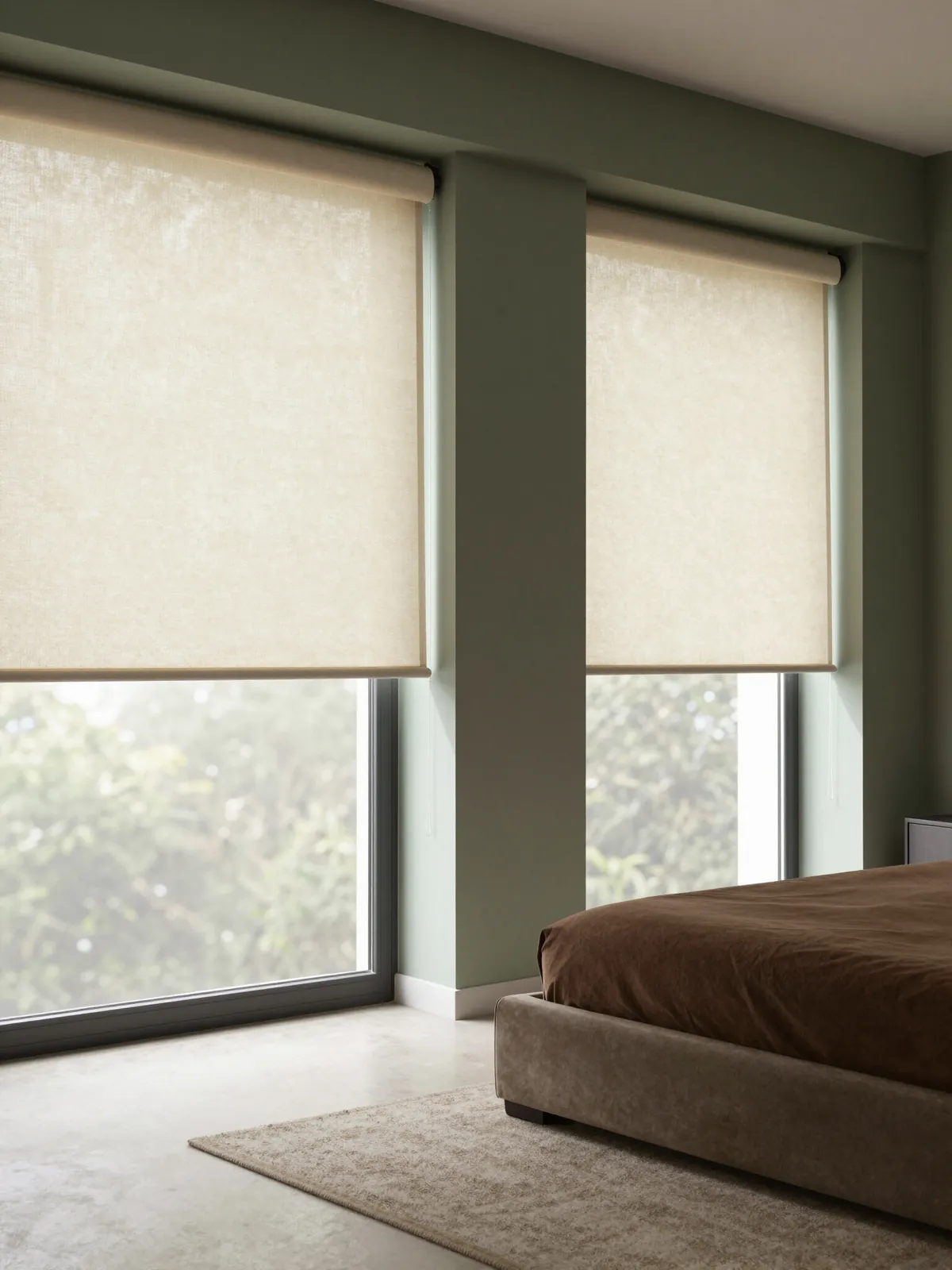
Why Wellesley’s colonials and shingle-style houses wear their blinds out together
Blind and shade repair in Wellesley, MA usually starts with one window and quickly turns into a question about the whole room. That comes from the houses. Many of Wellesley’s homes are large older colonials and shingle-style houses, and they carry a lot of windows. A single living room can have a long run of openings, and the stair hall, the sunroom and the bedrooms upstairs add more.
When a house like that was dressed, the blinds and shades usually went up at the same time, often from the same order. They have been raised and lowered the same number of seasons, they have sat in the same sun, and the cords and mechanisms inside them have aged at roughly the same pace. So when the shade in the breakfast room stops holding its position, the ones beside it are often not far behind.
The windows that fail first
In our experience the first failures are rarely random. The windows that get used most, the kitchen, the family room and the bedroom someone opens every morning, wear out first. South and west facing glass ages fabric and cord faster than a north window in a dining room that stays half closed all year. Knowing which way a room faces tells us a fair amount before we see the blind.
Why that matters for a repair
It changes the advice. A single failed lift cord in an otherwise healthy set is a repair. The same failure in a set where the fabric has faded and two others are slipping is a conversation about which windows to fix now, which to watch, and whether a room is ready for something new. We give you that picture honestly, window by window.
What we look at when a blind or shade in your house stops working
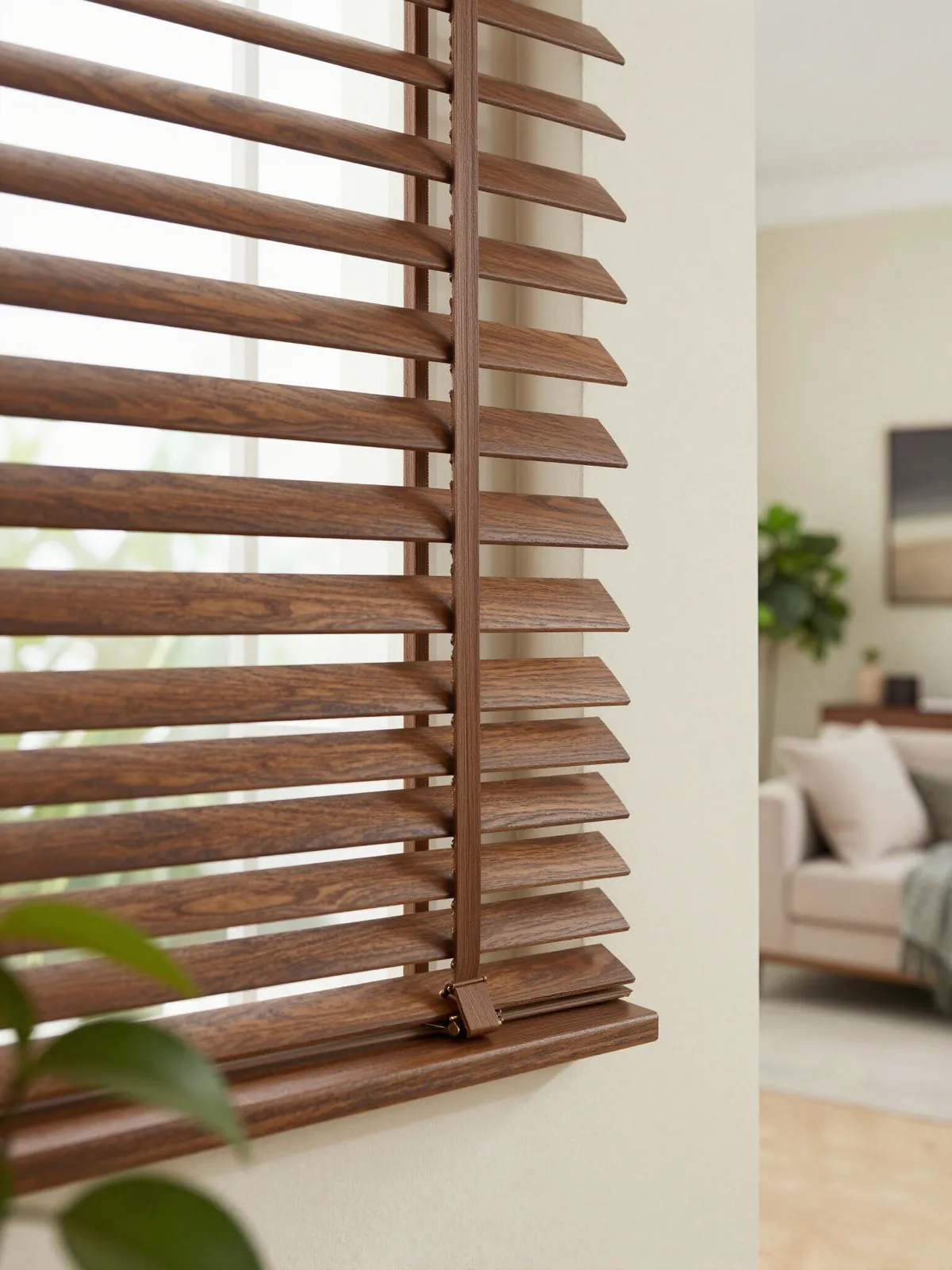
Cords that fray or will not lock
The lift cord is the part that does the most work. When it frays, snaps, or the cord lock stops catching, the blind drops or hangs crooked. We look at the cord, the lock and the route the cord takes through the headrail.
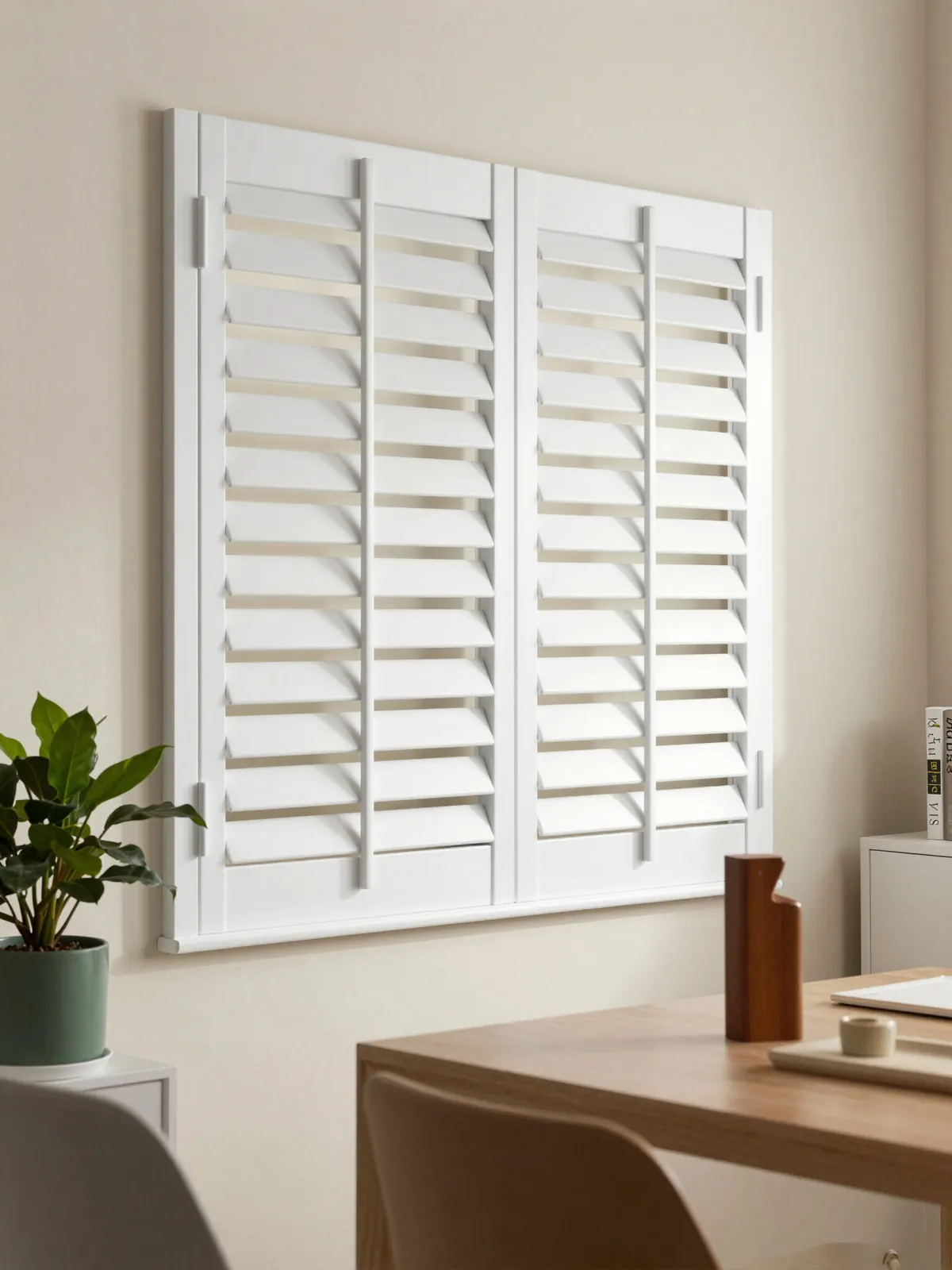
Tilt that slips or will not turn
Slats that will not close, or a wand that spins without moving anything, usually point to the tilt gear or the ladder strings that hold the slats. On older wood blinds the ladders can wear before anything else does.
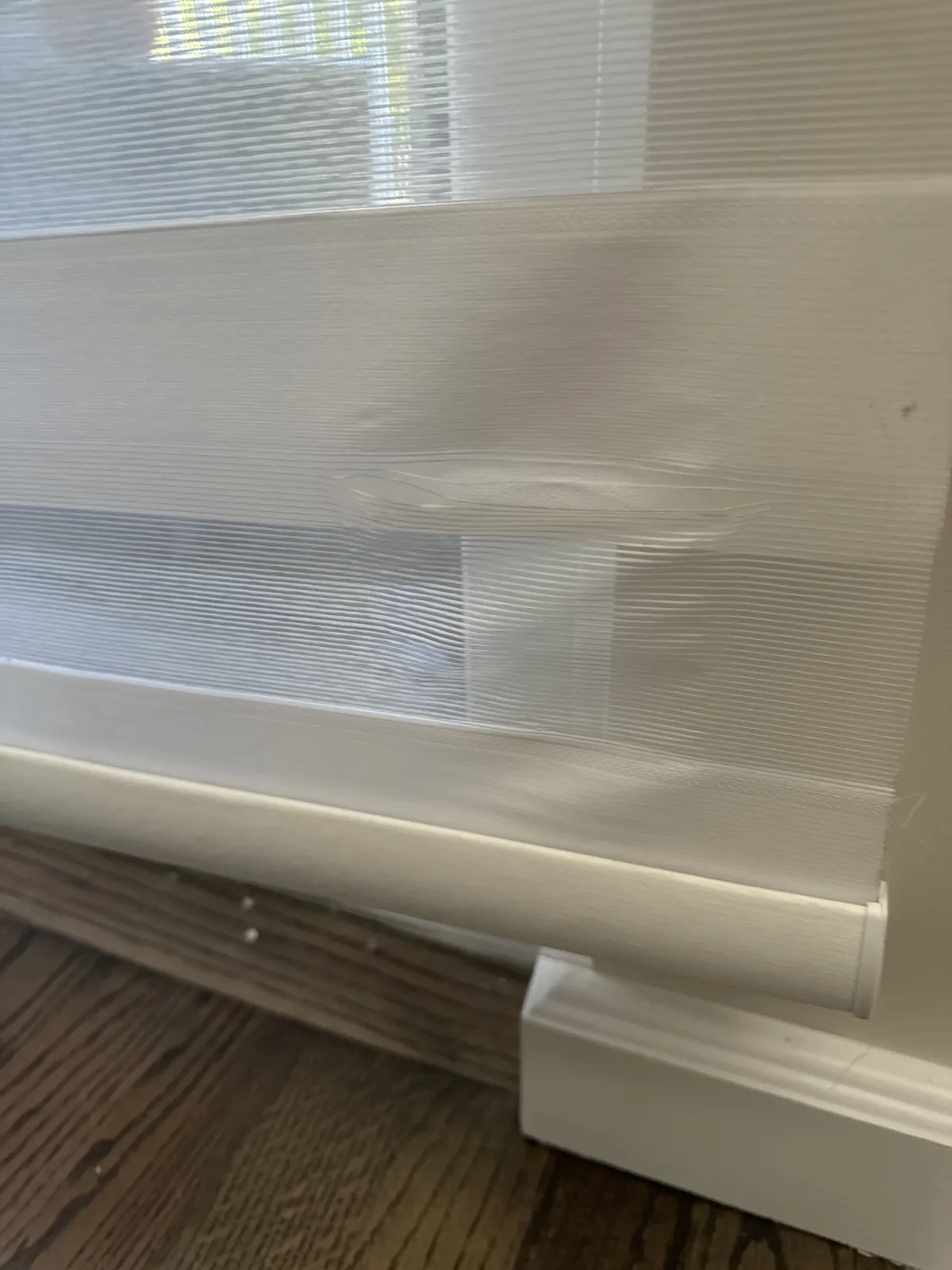
Shades that sag, creep or stick
Roller, cellular and fabric shades fail in their own ways: a spring or clutch that loses its hold, a shade that creeps down on its own, or internal strings that let one side drop. We look at how the shade is made before saying what can be done.

Brackets and headrails pulling loose
In older houses the trim and plaster around a window take a lot of strain over the years. A bracket that has worked loose makes a sound blind look broken. Sometimes the fix is in the mounting, not the blind at all.
Repair or replace: how we help you decide
Not every broken blind should be fixed, and not every one should be thrown out. The useful thing we can do is look at the actual blind or shade and give you a straight answer about which side of that line it sits on. Here is how we think it through.
The condition of everything around the fault. A cord is one part. If the slats are straight, the fabric is sound and the colour still matches the rest of the room, fixing the cord gives you back a good blind. If the fabric is brittle or faded, a new cord will not make the shade look right next to its neighbours.
Whether the rest of the set is close behind. In a house where the whole floor went up together, we look at the windows beside the one that failed. If they are showing the same wear, you may be better off planning the room as a whole than paying to fix one shade at a time over the next few seasons.
Whether the parts can be had. Some mechanisms are still made and easy to source. Others are long discontinued, and a repair that depends on a part nobody makes is not a repair. We tell you which case you are in rather than guessing.
How the window is used. A shade in a guest room that is opened twice a month can carry on for years after a small fix. The one in the room you live in all day needs to be dependable, and it is worth spending on that window first.
Who uses the room. Older corded blinds in a child’s bedroom or a playroom are worth a second look regardless of whether they still work. If that is the window in question, mention it, and we will talk about what makes sense for that room.
None of this is a sales script. If a repair is the sensible answer, that is what we will say. When replacement is the better call, you will hear why, and you can decide in your own time.
A house with many windows is best looked at as a whole
Whole-room and whole-house projects are a normal part of the work in Wellesley rather than an exception, and repair calls often turn into one. A shade that stops working is a moment when people look up and notice the rest of the room: the drapery that has faded, the wallpaper in the hall that was always meant to be changed, the paint that has not been touched since the house was bought.
That is where a multi-line design center is genuinely useful. Under one roof in Natick, Debsan has the window treatments, the curtain fabrics, the wallcoverings, the Benjamin Moore colours and the floors, and has been in the decorating trade since 1947. If a repair visit becomes a bigger plan, the same people can help with the fabric, the wall and the colour, and the pieces are chosen together rather than from separate shops.
Some of the ways a repair grows, if you want it to:
- A failed shade in a bay leads to new custom drapery for Wellesley homes layered over a lighter shade underneath.
- A room that needs new blinds anyway becomes a good moment for wallpaper on a feature wall, chosen against the new fabric.
- A sunroom with faded treatments gets a fresh look at the whole room, from window treatments in Wellesley to Benjamin Moore paint.
None of that is required. Plenty of people want the cord fixed and nothing else, and that is a perfectly good reason to call. Everything Debsan does for Wellesley is gathered on our Wellesley page if you want to see the rest.
When a repair becomes a replacement, the measuring matters
Large older colonials rarely have perfectly square, perfectly matched openings. Windows that look identical from across the room can differ by enough to matter once a blind sits inside the frame. Old trim has been painted many times. Sashes have been replaced in some rooms and not in others. Shingle-style houses mix tall windows, small ones under the eaves and grouped openings on the same wall.
That is why we measure each window ourselves rather than working from a single size for a whole room. Professional measurement and installation are part of how Debsan works, and it is what makes a replacement fit the opening it is going into rather than the one on the order form. You can read more about how that is done on our measuring and installation page.
For a repair, the same care applies in a smaller way. If a bracket has pulled out of soft trim, we look at where it can be fixed firmly before putting the blind back. If an inside mount has been fighting a frame that is out of true, that may be why the mechanism wore out in the first place, and it is worth knowing before anything is replaced.
Matching what is already there
In a room with many windows, a new blind has to sit beside old ones without looking out of place. Where only one or two windows need replacing, we look at the existing set closely: the slat width, the colour, the fabric, how the headrails line up across the wall. Where a close match is not possible, we will say so before you order, so you can choose between replacing the one window, replacing the wall, or doing the room.
Hunter Douglas and the wider range
Debsan’s window treatment line is Hunter Douglas, and we fit it regularly. If a repair leads to something new, the showroom has the range to look at and handle, alongside the fabrics and wallpapers that might go with it. For the blinds themselves, see our custom blinds for Wellesley.
Showroom visit or a visit to your house
There are two ways to get a failed blind or shade in front of us, and the right one depends on what you have.
Coming into the Natick showroom. If the blind comes down easily, or you have the broken part, it can help to show it to us. Even photographs on your phone go a long way: the headrail with the end cap off, the cord where it frays, the label on the underside of the rail if there is one. The showroom is in downtown Natick, right next door to Wellesley, and you are welcome to come in and talk it through. Ask us first whether to bring the blind itself, so the trip is worth it.
Having us look at it in place. Some things are better seen on the window: a shade that sticks only at one height, a bracket set into trim that is starting to split, a set of blinds across a bay that all need looking at. For those, get in touch and we will talk about a visit. If the house needs more than a repair, the free in-home consultation is how we look at windows, fabric, wall and floor together with samples in your own light.
Either way the first step is the same: tell us what is wrong and we will tell you the sensible way to look at it.
Helping the blinds you keep last longer
Once a blind is working again, a few habits keep it that way. None of them take long, and across a house with so much glass they add up.
Raise and lower with the cord straight. Pulling a lift cord off to one side drags it across the edge of the headrail, and that is where most cords start to fray. Pull straight down, let the blind settle, then lock it.
Tilt the slats before you raise the blind. Lifting a wood blind with the slats closed puts extra weight on the cords and can bend the ladders. Open them level first.
Let a stuck shade stop. If a shade sticks part way, forcing it usually makes the fault worse. Leave it where it is and get in touch. A stuck shade that is left alone is often a simpler repair than one that has been yanked.
Watch the sunny side. The south and west rooms are where fabric fades and cords dry out first. Lowering those shades in the strongest part of the day protects the treatments, and the furniture behind them, from the worst of it.
Keep an eye on the brackets. If a headrail starts to sit at a slight angle, or a bracket shows a gap against the trim, have it looked at before it pulls out. In older painted woodwork a loose bracket is far easier to set firmly early than after the screw has torn its hole wider.
Dust gently. A soft brush or a cloth across closed slats is enough. Soaking fabric shades or wood slats can do more harm than the dust ever would, so ask us before cleaning anything beyond a light dusting.
Before you get in touch, a few things to note
You do not need to know the name of the part that has failed. A plain description is enough. These details help us give you a useful answer the first time:
- Which windows, and how many. One blind, a pair, or several across the house.
- What it is doing. Dropping, hanging crooked, not tilting, not staying up, creeping down, coming away from the wall.
- What kind it is. Wood or faux wood slats, a fabric shade, a roller, a pleated or cellular shade, a vertical blind on a slider.
- How it is mounted. Inside the window frame or on the wall above it.
- Where it came from, if you know. A label on the headrail, a paper from when the house was bought, or just “it came with the house”.
- A photo or two. One of the whole window and one close up of whatever looks wrong.
If you are not sure about any of it, leave it out. We would rather hear from you with half the details than not at all.
Getting your blinds working again
When a blind or shade has stopped doing its job, the next step is to get in touch. Use the contact page to send a note with your photos and a few lines about what is wrong, or press the call button and talk to us directly. We will tell you whether it looks like a repair, whether it is worth bringing in, and what the options are if it is not. You can also read about the line as a whole on our blind and shade repair page.
Questions from Wellesley
Can you repair a blind that came with the house?
Often, yes, depending on what has failed and whether parts are still made for it. Houses often change hands with their treatments still up, so this is a common situation. Send us a photo of the whole blind and one of the headrail, and we will say what the pictures show.
Is it worth fixing one shade when the others in the room are just as old?
It can be. If the rest of the set is sound, one repair gives you back a matched room. If the others are fading or slipping too, we will say so, and you can choose between fixing what is broken now and planning the room as a whole.
My blinds sit inside deep old window frames. Does that make a repair harder?
It can make getting the blind down a little more involved, and it means the mounting is worth checking. A bracket that has loosened in old trim is a common reason a mechanism wears out early. We look at the mount as well as the blind.
Can a repair visit include looking at drapery or paint for the same room?
Yes. Alongside window treatments, the showroom has fabric for drapery, wallcoverings, the Benjamin Moore range and floors, so if you want to talk about the rest of the room while we are looking at the windows, we can. If you only want the blind fixed, that is fine too.
How do I get started?
Go to the contact page and tell us what has stopped working, with a photo if you can, or use the call button. We will come back to you with what we think and the easiest way to look at it.