
Welcome, and thank you for stopping by. Choosing paint and window treatments for the same room is a question we are always glad to help with, and wallpaper often joins the conversation too. Because our Natick design center carries all three, along with fabrics and flooring, we see how they work together every day, and we can help you put them in a sensible order.
The short version: decide the things that are hardest to change first, and let paint come last. Paint is the most flexible choice in the room. A wallpaper pattern or a drapery fabric comes in a fixed set of colors, but there is a paint color for almost any shade you can find in them. If you start with paint and then go looking for a fabric to match, you can spend weeks searching. If you start with the fabric, the paint color is often sitting right there in the pattern.
The Order We Suggest
This is the sequence we walk through with people in the showroom. Each step narrows the next one.
- Note what is staying. Flooring, a sofa you are keeping, a stone fireplace, kitchen counters. These set the base colors and they are expensive to change, so everything else works around them. If new flooring is part of the plan, choose it here.
- Choose any pattern next. If the room will have wallpaper or a patterned drapery, pick it before anything else that is new. Patterns carry the most character and offer the fewest color options, so they lead.
- Pick the window treatment. Decide how much light you want, how much privacy you need, and what material and color suit the pattern and the floor. A treatment covers a large area of the wall when it is closed, so it matters to the room’s color as much as the paint does.
- Pull the paint color from what you have chosen. Look for a quiet color inside the wallpaper or fabric, or a softer version of the treatment’s color. Benjamin Moore’s range makes this step easier, because there is so much to choose from.
- Look at all of it together. Put the floor sample, the pattern, the treatment sample and the paint chip side by side, in the light of the room they are going into, before anything is ordered.
That last step is the one people are most tempted to skip, and it is the one that settles things. Colors that look right on a screen, or one at a time, can fight each other once they share a wall.
What Changes the Answer
The order above holds for most rooms. A few things can change it, and they are worth thinking through before you choose.
The direction and amount of light
Daylight shifts color more than anything else in a room. Light from the north tends to be cool and even, so warm colors can look muted and cool colors can look cold. Light from the south is warmer and brighter, and it can wash a pale color out at midday. Rooms that get morning sun look different in the evening, and lamps add their own warmth after dark. Test the paint in the room, at the times of day you use it most.
What the treatment does to the light
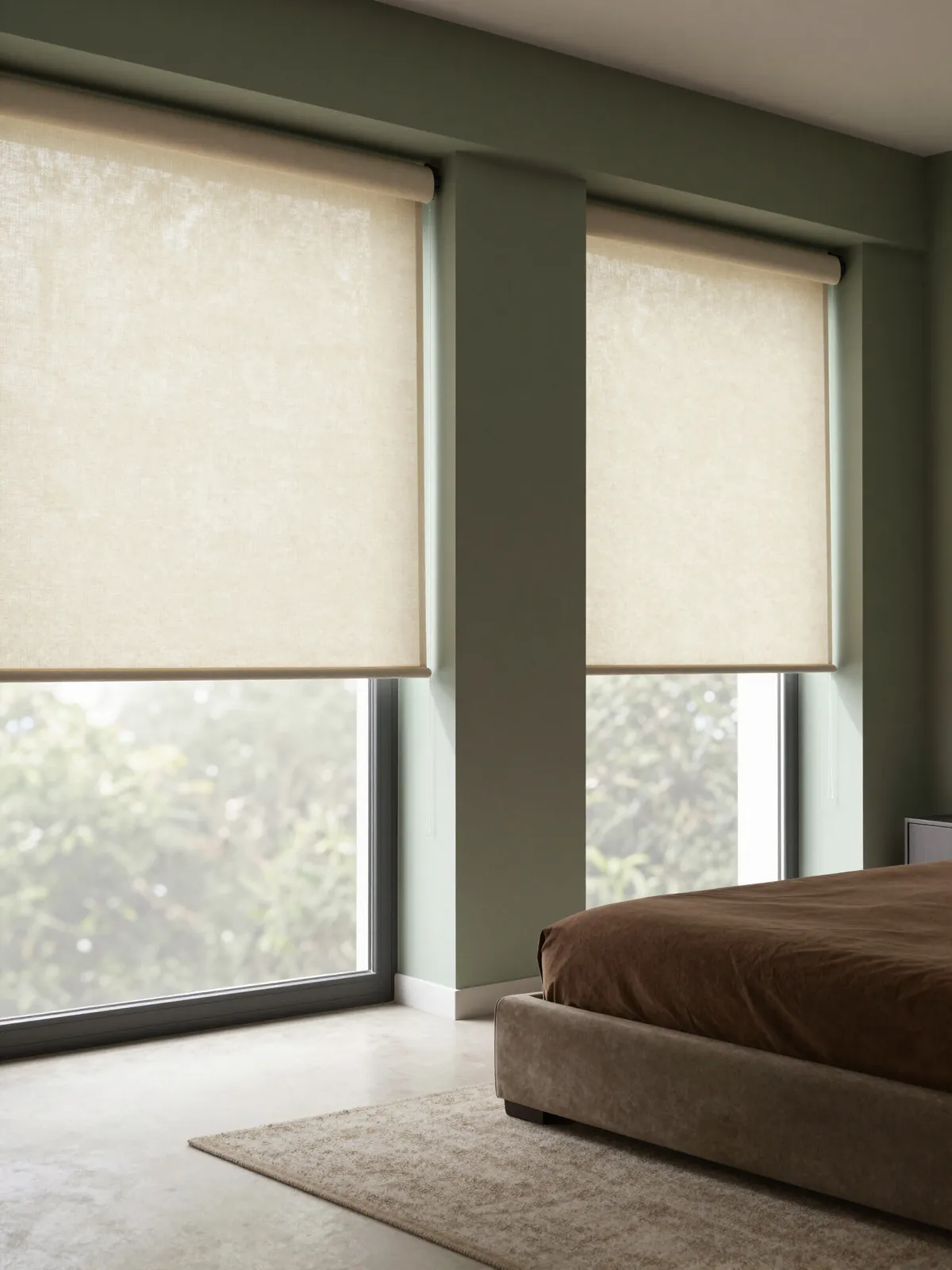
A window treatment changes the light the paint is seen in. A light-filtering shade softens the daylight and can tint it slightly with its own color. A lined drapery or a room-darkening shade cuts the light back sharply when it is closed. Sheers spread the light evenly across the room. Look at your paint sample with the treatment sample both open and closed, because the wall will be seen both ways.
A fabric or wallpaper you already love
If you walk in with a fabric or a wallpaper you have already set your heart on, it leads, even if the floor is new. Bring a piece of it and we will build the rest of the room around it.
Rooms that open onto each other
When the living room flows into the dining room or the kitchen, the colors need to work across the opening as well as within each room. That can mean a shared paint color with different window treatments, or the same treatment in both rooms with different walls.
What Each Sample Tells You
The paint chip
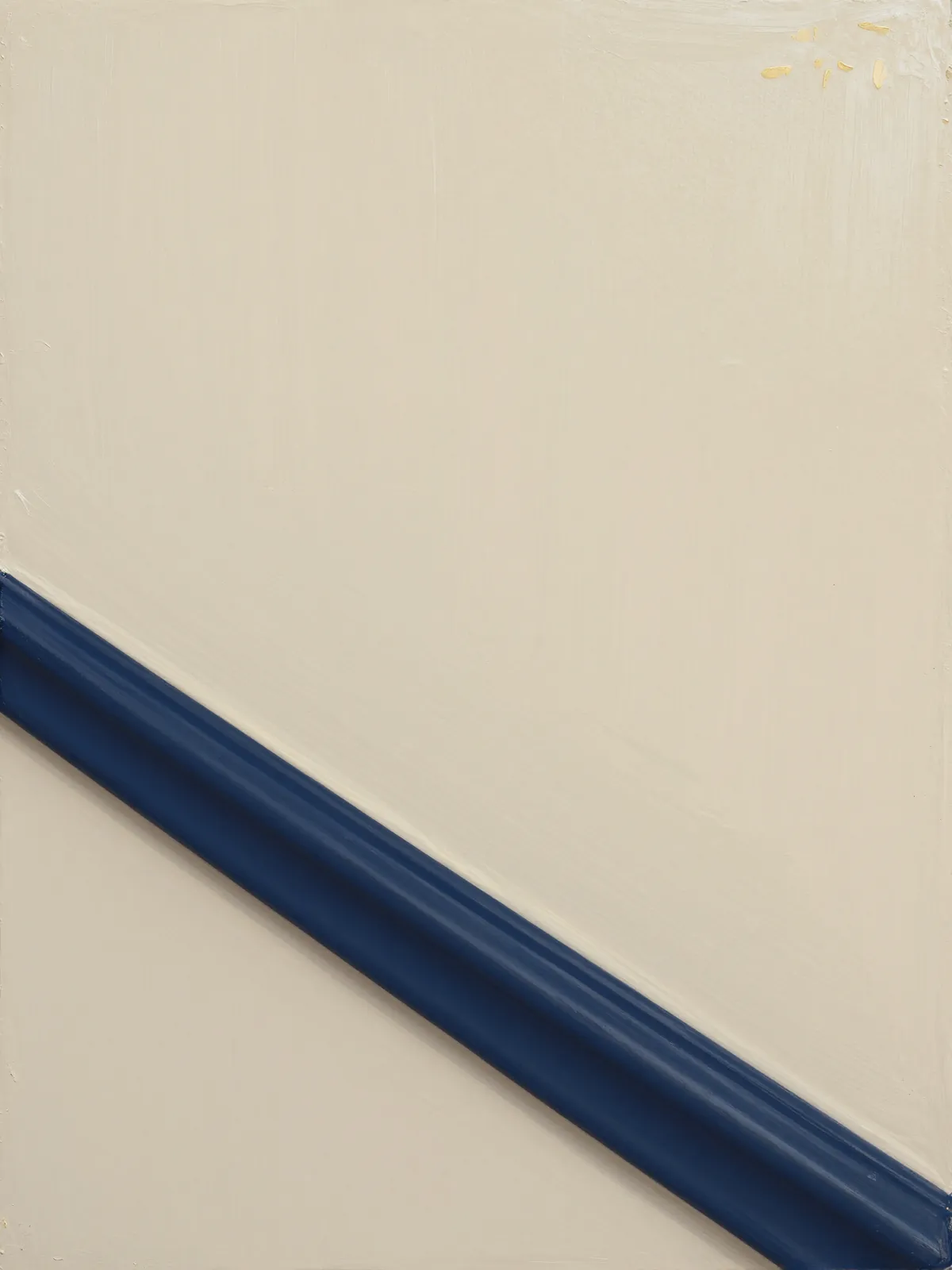
A chip shows the color, but small. Hold it against the fabric and the floor, then look at it again on a larger patch of wall before you decide.
The wallpaper sample
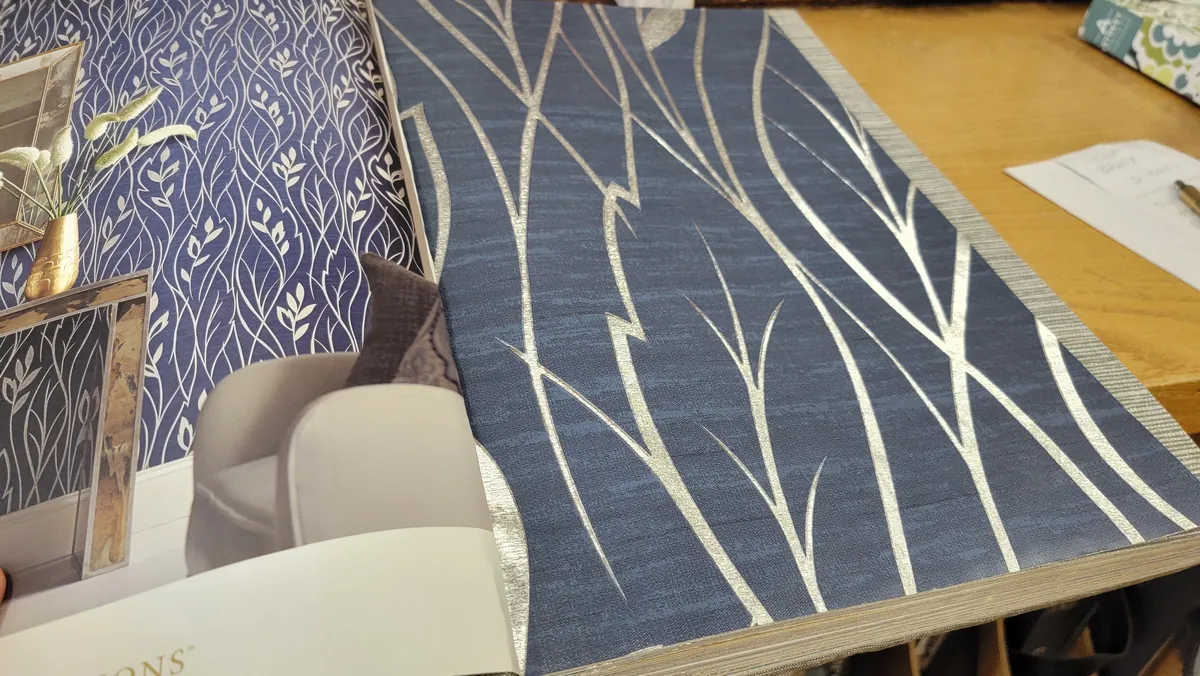
A sample shows the scale of the pattern and the colors in it. Step back from it: a pattern reads differently across a room than it does in your hand.
The fabric or shade sample
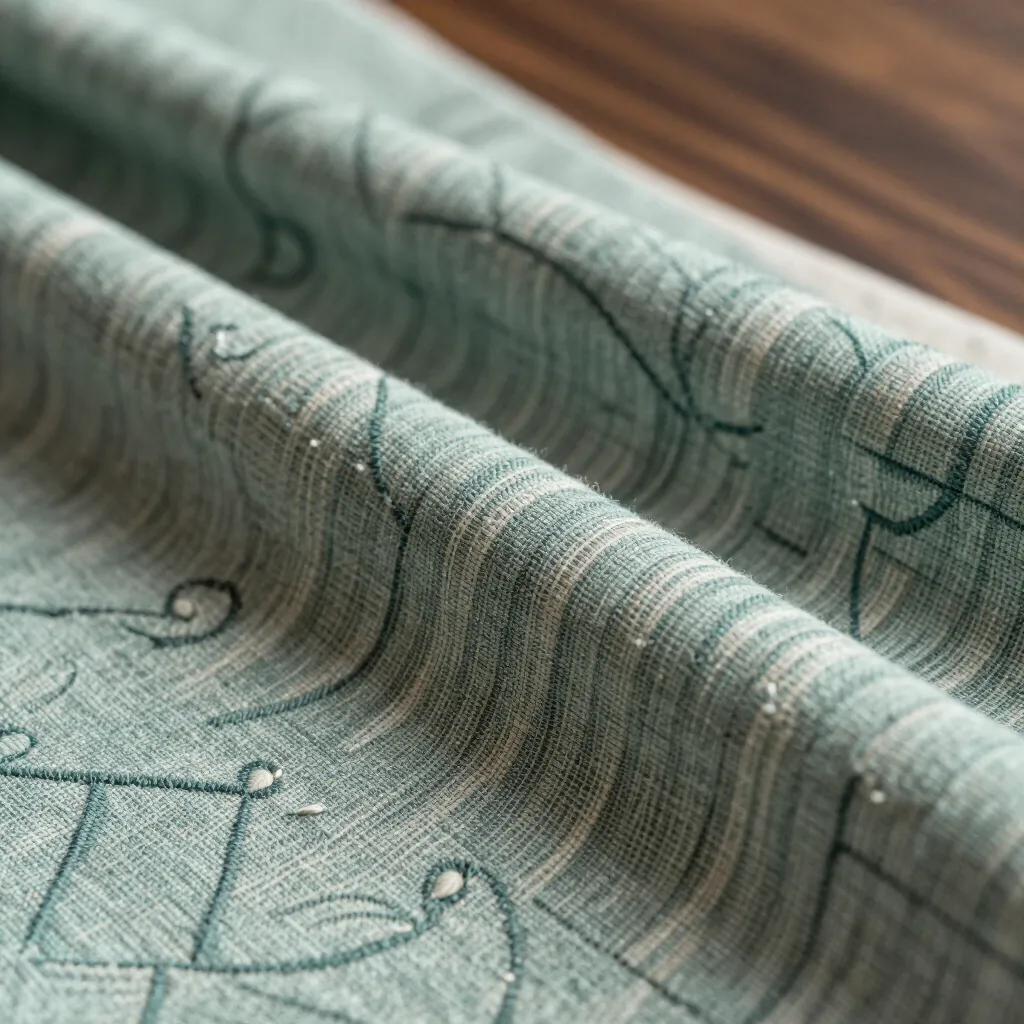
Hold it up to the window. Fabric and shade material look different with light coming through them than they do lying flat on a table.
Why Seeing It Together Settles It
Most of the second-guessing we hear comes from choosing one piece at a time. A paint color is chosen at a counter, a fabric is chosen from a photo, and a wallpaper is chosen on a screen. Each one looks right alone, and then the room does not come together.
When the samples sit next to each other, the problems are obvious in seconds. A white that looked clean beside the paint chips looks yellow beside the fabric. A blue in the wallpaper turns out to be closer to grey once the floor sample is next to it. You can swap one piece and see the change straight away.
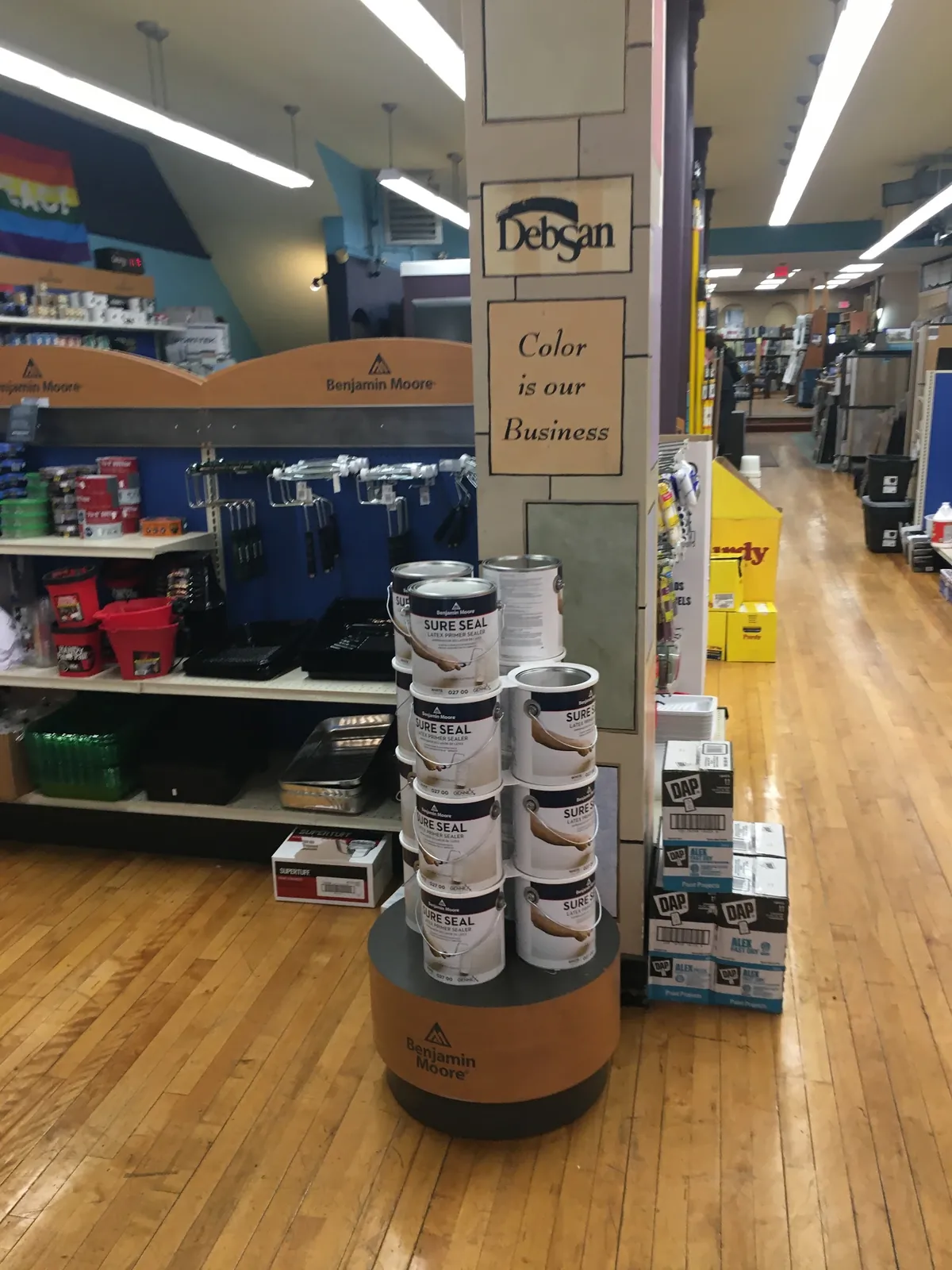
That is the main reason to choose paint, wallpaper and window treatments in one place. In our showroom the wallpaper, fabrics, Hunter Douglas window treatments and Benjamin Moore paint are all under one roof, so you can build the whole room on one table with one person helping you. If you would rather see it all in your own light, we can bring the samples out to you on a free in-home design consultation.
What to Bring to the Showroom
Nothing has to be settled before you walk in. These make the time at the table go further:
- Daylight photos of the room that show its windows and its floor
- A photo or a sample of anything that is staying: a cushion, a rug, a cabinet door, a piece of tile
- Rough window sizes, if you have them, so we can talk about which treatments suit them
- The direction the windows face, if you know it
- Any wallpaper, fabric or paint color you have already seen and liked, even if it is only a picture
If the room is part of a larger project, mention that too. It is easier to plan two connected rooms together than one after the other.
Common Questions
Should I choose paint or window treatments first?
Usually the window treatment first, and the paint last. A treatment comes in a limited set of colors and materials, while paint comes in a very wide range, so it is easier to find a paint color that suits the treatment than the other way round.
Does the paint have to match the curtains?
No. Most rooms look better when the walls and the treatment relate to each other rather than match exactly. A softer or lighter color pulled from the fabric is a common choice. Seeing the samples side by side will show you what works.
Where does wallpaper fit in the order?
Early. If a room will have wallpaper, choose it before the paint and before the window treatment, because the pattern has the fewest color options. The paint for the other walls and the trim can then be drawn from it.
Why does my paint color look different at home?
The light is different. Showroom lighting, daylight from different directions and the lamps you use at night all change how a color reads. That is why we suggest looking at samples in the room itself, at the times of day you use it.
Can you help with the whole room at once?
Yes. Paint, wallpaper, fabric, carpet, hardwood and window treatments sit side by side in our showroom, so a single conversation can plan the floor, the walls and the windows together.
Your Next Step
When you are ready to lay the samples out together, send us a note from the contact page, or ring us with the call button at the top of this page. Tell us which room you are working on and what is staying, and we will help you plan the paint, wallpaper and window treatments in the right order.