
Welcome, and thank you for reading up before you order. Good window treatment installation starts long before installation day, with careful measuring, and both are part of what we offer. We are happy to explain what goes into each, so you know what you are getting and why it matters.
Custom blinds, shades, shutters and drapery are made to the exact size on the order. There is no trimming them down on the day and no swapping them for the next size up. That is the whole reason they fit so well when the measuring is right, and the reason a small mistake in the measuring cannot be fixed at the window.
How It Works, From Measuring to Finished Window
- We measure the windows. Our measurer looks at each window and records its sizes along with everything that affects how a treatment will sit in it.
- We confirm the mount and the details with you. Inside or outside the frame, how far past the frame, which side the controls go on, and how drapery should clear the window when open.
- The order is placed to those measurements. Each treatment is made for one window, which is why the measuring has to be right first time.
- We install. Our installers fit the brackets, hang the treatments, check that each one is level and runs smoothly, and set up any motorized operation.
- We show you how everything works. Before we leave, you see how to raise, lower, tilt or draw each treatment, and how to use any remote or control.
What Goes Wrong on a Self-Measured Order
Measuring a window looks simple. In practice, the usual problems with custom treatments come from a handful of common mistakes:
- Measuring only once. Windows are rarely perfectly square, especially in older homes. A frame can pinch in at the top, or stand taller on its left side than its right. Measuring in one place misses that, and an inside-mounted treatment made to the wrong size either binds or leaves gaps.
- Confusing inside and outside mount. An inside mount sits within the frame; an outside mount covers it. The sizes for each are taken differently, and mixing them up gives a treatment that is too small to cover the window or too large to fit inside it.
- Missing the depth. An inside mount needs enough depth in the frame for the brackets and the treatment to sit flush. Shallow frames are easy to overlook until the treatment sticks out past the trim.
- Forgetting what is in the way. Window cranks, locks, handles, alarm sensors and trim can all stop a treatment from lowering or tilting properly.
- Rounding. Rounding a measurement to make it tidier can be enough to make a treatment fit badly.
- Not allowing for drapery. Drapery needs room to stack to the sides when open and clearance from the floor or a radiator. Measuring only the glass leaves no room for either.
When a self-measured order does not fit, it is usually not something the store can fix, because the treatment was made exactly as ordered.
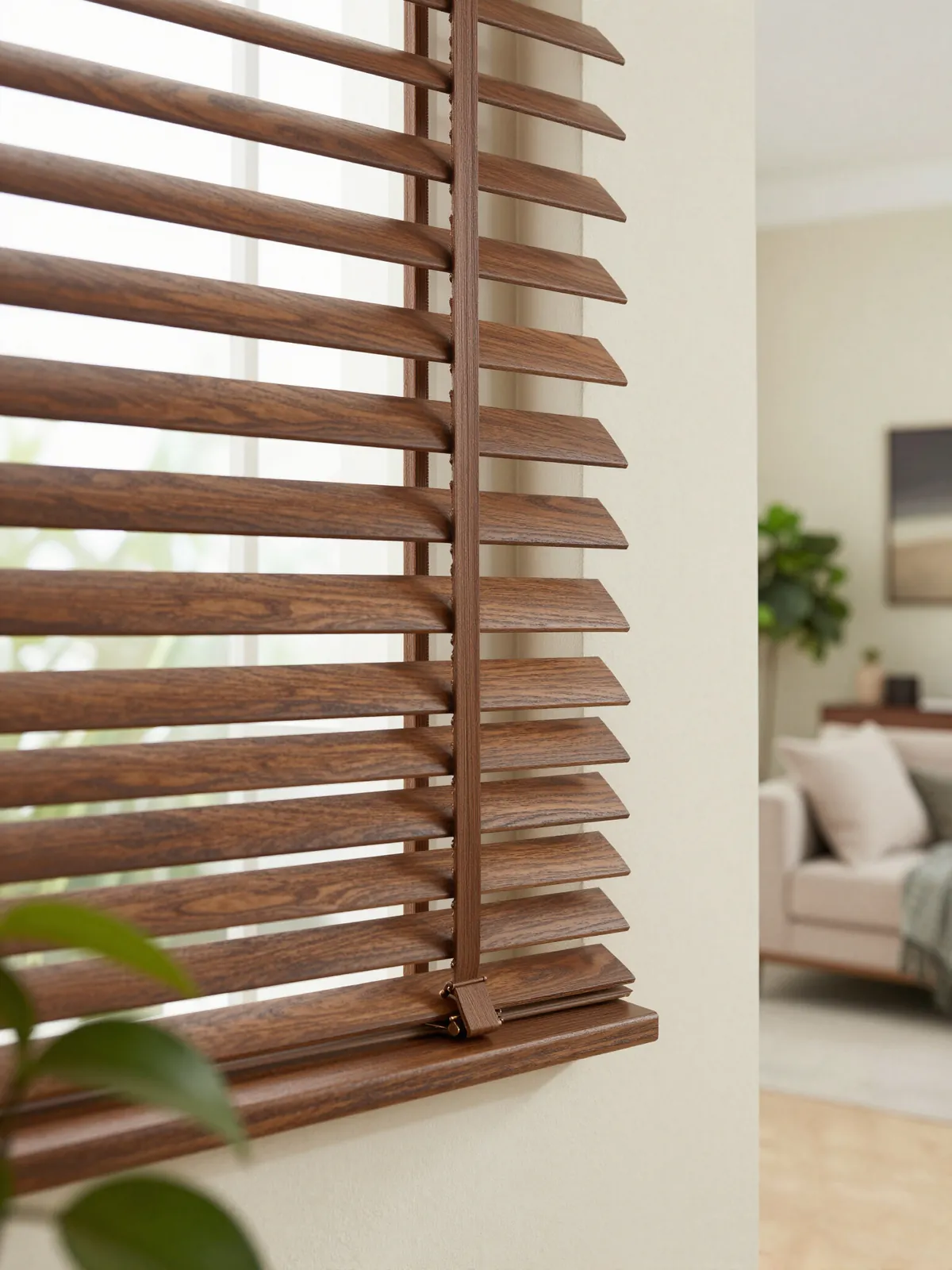
What the Measurer Is Checking
When we measure, we are looking at far more than width and height.
Square and level
We measure each window at the top, middle and bottom, and on both sides, to see whether it is square. Older homes with settled frames and tall sashes are where this matters most.
The mounting surface
Plaster, drywall, wood trim and masonry each take brackets differently. We note what each treatment will be fixed into, so installation goes smoothly.
Obstructions
Cranks, handles, locks, alarm sensors, deep sills, radiators and nearby outlets or vents all affect where a treatment can sit and how it can move.
Controls and access
Which side the cord or wand should be on, whether a window is easy to reach, and whether motorized operation would make more sense for a high or hidden window.
How the treatment will look
Where the top of a shade or drapery should sit, how far past the frame it should extend to let in light when open, and how it lines up with neighbouring windows in the same room.
How Installation Day Runs
On installation day our installers arrive with the finished treatments made to your windows. A little preparation helps it run smoothly:
- Clear the windowsills and move anything fragile from the area in front of the windows.
- Leave a path to each window, moving furniture where you can.
- Tell us beforehand if the old treatments are still up, so we can plan for them.
- Let us know about pets, alarm systems or any rooms we should avoid.
The installers fit the brackets, hang each treatment and check that it sits level, operates smoothly and clears the window furniture. Motorized treatments are set up and tested. Before they leave, they walk you through how each treatment works.
What Professional Measuring and Installation Give You
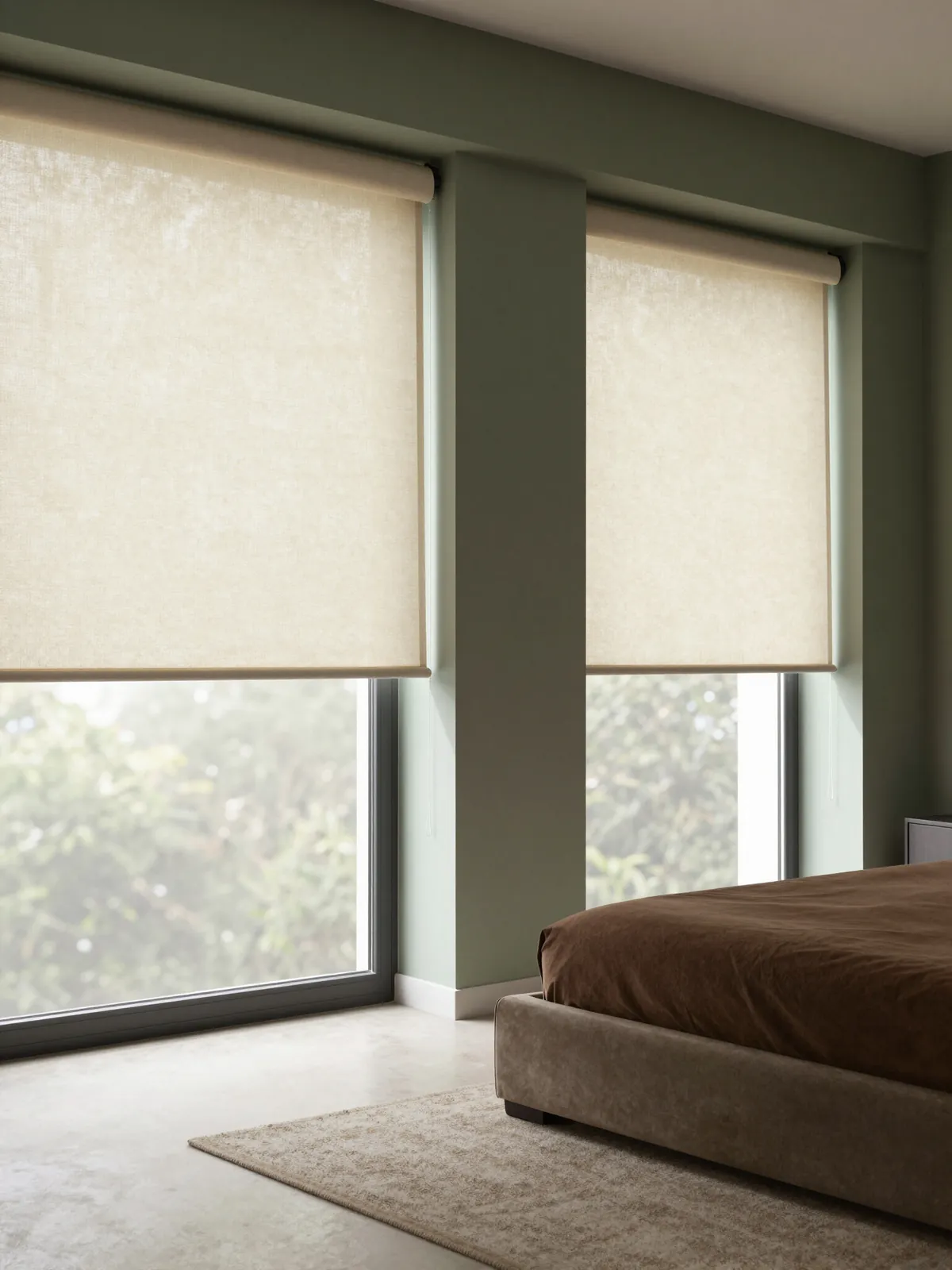
A fit made for your window
Treatments made to measurements taken by someone who checks square, depth and obstructions, so they fit the window you actually have.
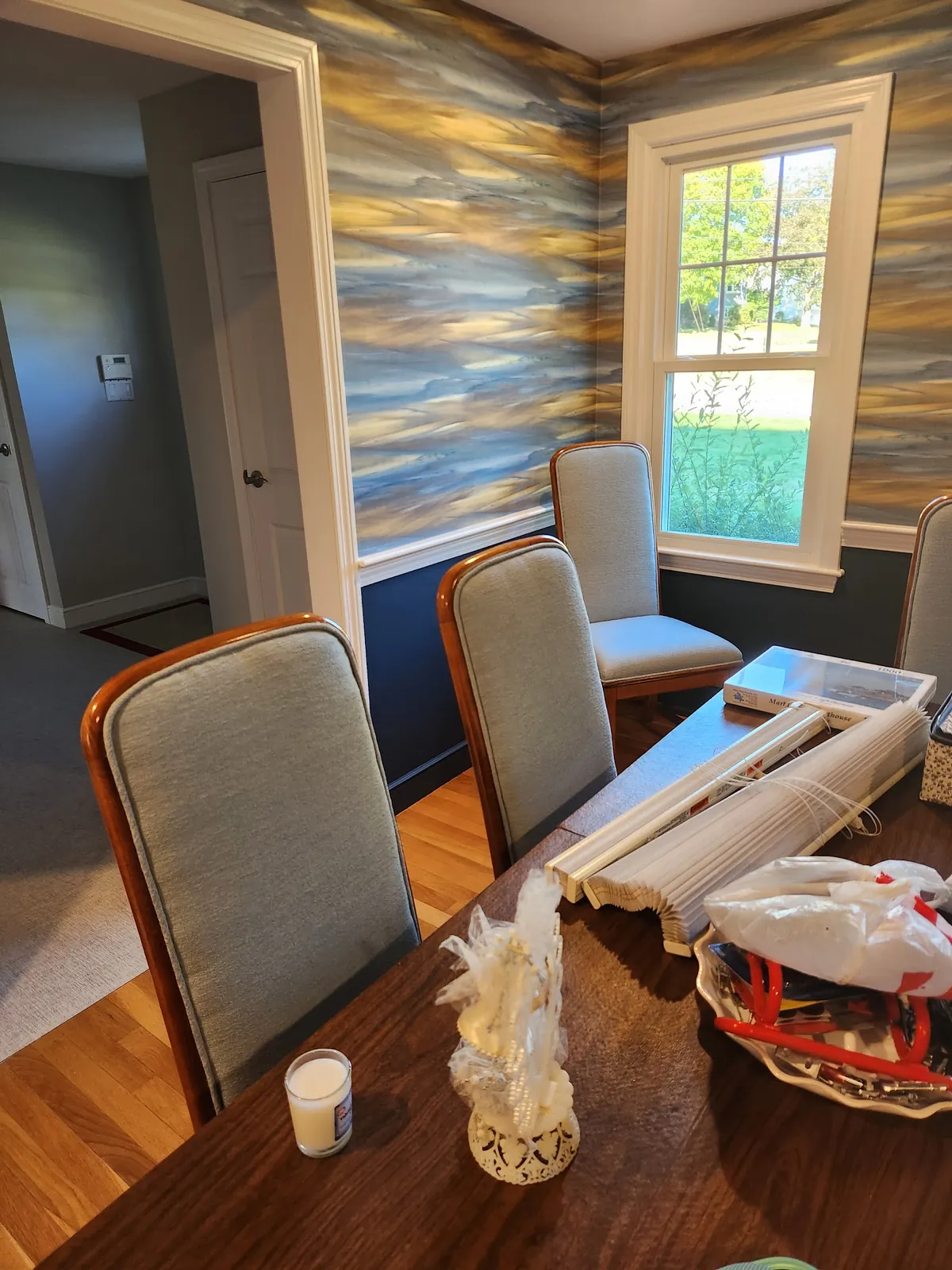
Treatments that run properly
Brackets set level and secure, so shades raise straight, blinds tilt evenly and drapery draws without catching.

One place to call
The store that measured, ordered and installed is the store you call if something needs attention.
If Something Is Not Right
Once the treatments are up, live with them for a little while. If something does not operate the way it should, does not sit the way you expected, or you are not sure how to use it, get in touch. Because we measured and installed, there is no question about whose measurements were used, and we will look at it with you.
What to Bring to the Showroom
If you are starting in our Natick showroom before we come out to measure, bring:
- Photos of each window from inside, plus one of the whole room
- Rough sizes, if you have them, marked as approximate
- A note of anything near the windows: cranks, radiators, alarm sensors, built-in furniture
- Ideas on light and privacy for each room
Rough sizes are fine for choosing. For the order itself, we measure. You can read more about choosing within the Hunter Douglas range on our Hunter Douglas guide, and see our window treatments, custom blinds and drapery fabrics.
Common Questions
Can I measure my own windows?
You can measure for a rough idea while you choose. For a custom order, we measure ourselves, because the treatment is made to the exact size ordered and cannot be adjusted afterwards.
What is the difference between an inside and an outside mount?
An inside mount sits within the window frame for a clean, built-in look and needs enough frame depth. An outside mount sits on the wall or trim around the window and covers the whole opening, which can block more light and make a window look larger.
What should I do before installation day?
Clear the windowsills, leave a path to each window, and let us know if old treatments are still up or if there are pets or alarm sensors we should know about.
Do you install drapery as well as blinds and shades?
Yes. We measure for and hang drapery along with the blinds, shades and shutters we sell.
What if a treatment does not work properly after it is installed?
Get in touch with us and describe what is happening. We will look at it with you and work out what needs to be done.
Book a Measurement
When you are ready for us to measure, request a visit on the contact page, or call us straight from the button at the top of the site. Tell us roughly how many windows and which rooms, and we will arrange a time to come out with samples and a tape measure.